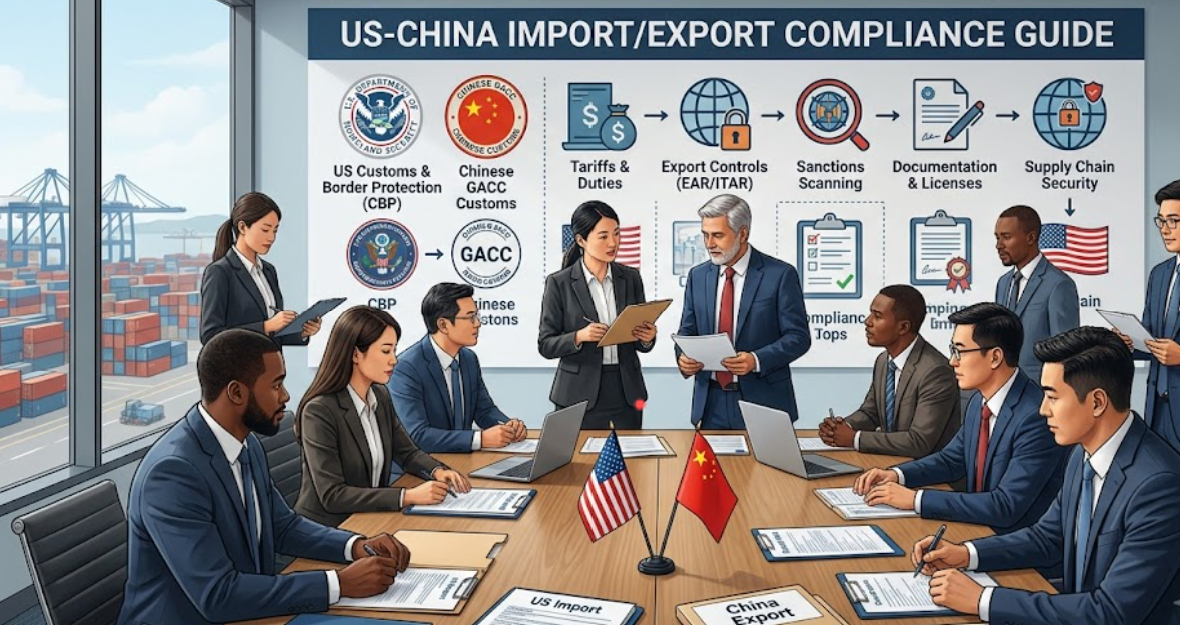
Customs valuation is a critical aspect of importing goods into China. Understanding the valuation methods tariff classification and compliance requirements helps importers avoid costly penalties and delays.
Customs Valuation Principles
Under Chinese customs law the customs value of imported goods is determined primarily using the transaction value method the price actually paid or payable for the goods when sold for export to China adjusted for statutory additions.
- 📊 Transaction Value Method Primary method based on invoice price with adjustments for related-party transactions.
- 🔍 Customs Audit Defense Representing importers during post-clearance audits addressing valuation challenges and reclassification.
- 💰 Duty Relief Programs Duty exemptions tariff rate quotas preferential FTA treatment.
Tariff Classification and HS Code
Correct HS classification is critical for determining duty rates and import restrictions. The Customs Import and Export Tariff contains over 12,000 10-digit HS code entries. Classification disputes are among the most common customs audit issues.
Background & legal framework
Related-party transaction valuation requires demonstrating that the relationship does not influence the declared price. Transfer pricing documentation and advance rulings reduce audit risk.
Free Trade Agreement Utilization
China has FTAs with over 20 countries and regions including ASEAN South Korea Australia Switzerland and New Zealand. Preferential tariff treatment requires compliance with rules of origin and proper certificate of origin documentation.
Post-Clearance Audits
Customs authorities conduct post-clearance audits to verify declared values classifications and origin. Audits may cover transactions up to three years back. Proactive compliance reduces penalty exposure.
Consult a Jiangxi Trade Lawyer
Customs compliance is essential for smooth cross-border trade. Contact Haotian Jiang for customs valuation and tariff classification guidance.
Trade Law Application Notes
I plan enforcement first—assets, licenses, receivables, and interim measures—so strategy is not limited to winning on paper.
How the dispute was handled
I document scope, assumptions, and decision rights at engagement start so foreign clients know what will be filed, who must approve, and when silence becomes a missed deadline.
- ⚖️ Written scope and remedy map
- 📜 Bilingual document control
- 🛡️ Deadline and limitation tracking
- 💼 Enforcement and settlement options in parallel
Operational Checklist for Foreign Readers
I document scope, assumptions, and decision rights at engagement start so foreign clients know what will be filed, who must approve, and when silence becomes a missed deadline.
I treat bilingual consistency as a risk control: chops, authority documents, and English summaries must tell the same commercial story.
- ⚖️ Written scope and remedy map
- 📜 Bilingual document control
- 🛡️ Deadline and limitation tracking
- 💼 Enforcement and settlement options in parallel
Risk Controls Before Escalation
I treat bilingual consistency as a risk control: chops, authority documents, and English summaries must tell the same commercial story.
Practical implications
I prefer early written notices and clean evidence indexes over informal WeChat-only chains when the amount or regulatory exposure is material.
- ⚖️ Written scope and remedy map
- 📜 Bilingual document control
- 🛡️ Deadline and limitation tracking
- 💼 Enforcement and settlement options in parallel
Implementation Detail 1
I document scope, assumptions, and decision rights at engagement start so foreign clients know what will be filed, who must approve, and when silence becomes a missed deadline.
I treat bilingual consistency as a risk control: chops, authority documents, and English summaries must tell the same commercial story.
- ⚖️ Written scope and remedy map
- 📜 Bilingual document control
- 🛡️ Deadline and limitation tracking
- 💼 Enforcement and settlement options in parallel
Implementation Detail 2
I convert complex Chinese procedure into a dated checklist with owners for translation, notarization, and internal sign-off across time zones.
I plan enforcement first—assets, licenses, receivables, and interim measures—so strategy is not limited to winning on paper.
What parties should remember
- ⚖️ Written scope and remedy map
- 📜 Bilingual document control
- 🛡️ Deadline and limitation tracking
- 💼 Enforcement and settlement options in parallel
Implementation Detail 3
I treat bilingual consistency as a risk control: chops, authority documents, and English summaries must tell the same commercial story.
I prefer early written notices and clean evidence indexes over informal WeChat-only chains when the amount or regulatory exposure is material.
- ⚖️ Written scope and remedy map
- 📜 Bilingual document control
- 🛡️ Deadline and limitation tracking
- 💼 Enforcement and settlement options in parallel