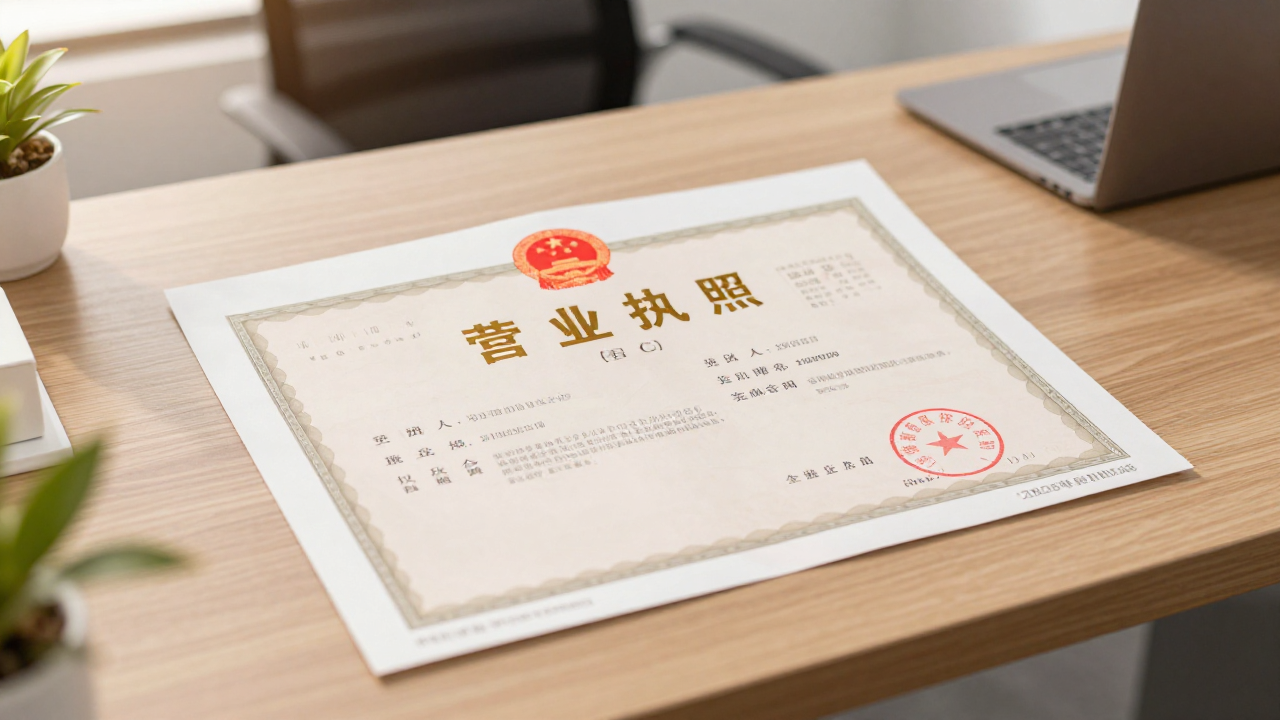
Jiangxi Province offers foreign investors a compelling combination of lower operating costs, improving infrastructure, and growing industrial clusters. For overseas companies considering establishing a presence in Jiangxi, the wholly foreign-owned enterprise (WFOE) remains the most popular corporate vehicle, providing complete management control and full profit retention.
Pre-Entry Feasibility and Negative List Review
Before committing resources to incorporation, foreign investors must first determine whether their proposed business activities are permitted, restricted, or prohibited under the latest version of the Special Administrative Measures (Negative List) for Foreign Investment Access. As of 2025, the Negative List has been progressively shortened; most manufacturing sectors are now fully open, while services sectors such as education, healthcare, telecommunications, and financial services remain subject to shareholding caps or additional approval requirements.
- 📋 Permitted sectors No special approval needed beyond standard registration.
- ⚠️ Restricted sectors May require additional license from the relevant industry regulator.
- 🚫 Prohibited sectors Foreign investment is not allowed.
Name Pre-Approval and Document Preparation
Once the Negative List review is cleared, investors prepare at least three alternative company names. Required documents include the feasibility study report, articles of association (notarized), investor identity documents (notarized and apostilled), board member appointment letters, lease agreement, and bank letter of creditworthiness.
Background & legal framework
| Document | Requirements |
|---|---|
| Feasibility Study Report | Signed by legal representative |
| Articles of Association | Notarized by investor's home country consulate |
| Investor Identity Documents | Business registration or passport, notarized |
| Lease Agreement | Valid lease plus landlord's property title deed |
| Bank Creditworthiness Letter | Issued within the last 3 months |
Foreign Investment Filing and Registration
Under the current Foreign Investment Law regime, most WFOE establishments no longer require MOFCOM approval. Investors file investment information through the Foreign Investment Comprehensive Management System simultaneously with the company registration application to the local Market Supervision Administration.
The entire registration process for a WFOE in Nanchang now takes approximately 20-30 business days from document preparation to receipt of the business license.
Post-Registration Procedures
After receiving the business license, complete company seal carving, bank account opening (RMB basic account and foreign currency capital account), tax registration within 30 days, social insurance registration, and foreign exchange registration with SAFE.
Capital Contribution Requirements
China's Company Law requires registered capital to be actually contributed (paid-in). Minimum registered capital for a WFOE typically starts at RMB 100,000 for services and RMB 300,000 for production. Capital can be contributed in installments: at least 20% within the first three months, with the remainder due within two years.
Consult a Jiangxi Foreign Investment Lawyer
Setting up a WFOE in Jiangxi involves navigating multiple regulatory authorities. A qualified lawyer can help streamline the process, avoid common pitfalls, and ensure full compliance. Contact Weiyang Chen's office for a preliminary assessment of your investment project.
How the dispute was handled
Company Formation Application Notes
I document scope, assumptions, and decision rights at engagement start so foreign clients know what will be filed, who must approve, and when silence becomes a missed deadline.
I treat bilingual consistency as a risk control: chops, authority documents, and English summaries must tell the same commercial story.
- ⚖️ Written scope and remedy map
- 📜 Bilingual document control
- 🛡️ Deadline and limitation tracking
- 💼 Enforcement and settlement options in parallel
Operational Checklist for Foreign Readers
I treat bilingual consistency as a risk control: chops, authority documents, and English summaries must tell the same commercial story.
I prefer early written notices and clean evidence indexes over informal WeChat-only chains when the amount or regulatory exposure is material.
Practical implications
- ⚖️ Written scope and remedy map
- 📜 Bilingual document control
- 🛡️ Deadline and limitation tracking
- 💼 Enforcement and settlement options in parallel
Risk Controls Before Escalation
I prefer early written notices and clean evidence indexes over informal WeChat-only chains when the amount or regulatory exposure is material.
I convert complex Chinese procedure into a dated checklist with owners for translation, notarization, and internal sign-off across time zones.
- ⚖️ Written scope and remedy map
- 📜 Bilingual document control
- 🛡️ Deadline and limitation tracking
- 💼 Enforcement and settlement options in parallel
Implementation Detail 1
I treat bilingual consistency as a risk control: chops, authority documents, and English summaries must tell the same commercial story.
I prefer early written notices and clean evidence indexes over informal WeChat-only chains when the amount or regulatory exposure is material.
- ⚖️ Written scope and remedy map
- 📜 Bilingual document control
- 🛡️ Deadline and limitation tracking
- 💼 Enforcement and settlement options in parallel
Implementation Detail 2
I plan enforcement first—assets, licenses, receivables, and interim measures—so strategy is not limited to winning on paper.
What parties should remember
I document scope, assumptions, and decision rights at engagement start so foreign clients know what will be filed, who must approve, and when silence becomes a missed deadline.
- ⚖️ Written scope and remedy map
- 📜 Bilingual document control
- 🛡️ Deadline and limitation tracking
- 💼 Enforcement and settlement options in parallel