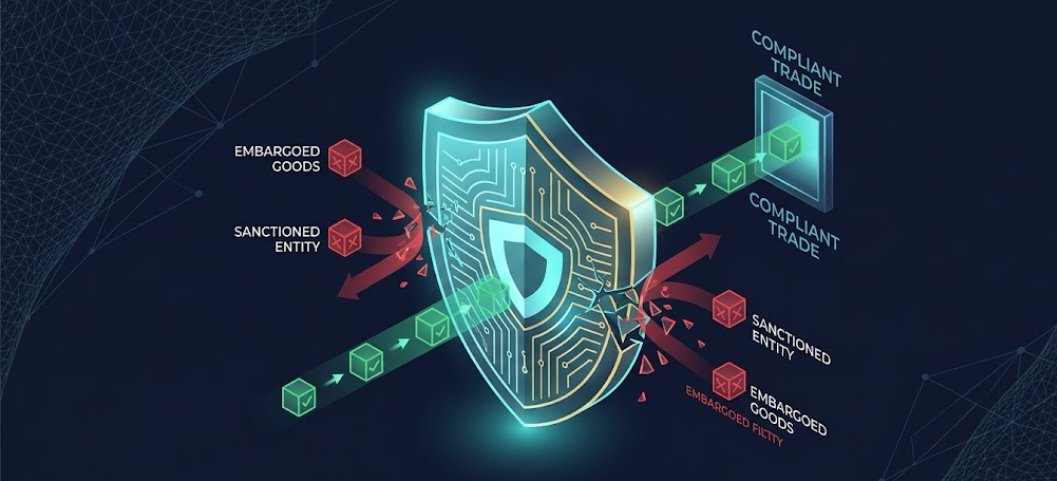

Dual-use item export control and customs smuggling investigations present some of the highest-stakes compliance risks for Chinese manufacturers and traders. This article explains the criminal and administrative framework, based on the practice of Jimmy Ma at Beijing Wanshang Tianqin Law Firm, a former Customs Anti-Smuggling Bureau investigator with nearly 20 years of customs law experience.
The Legal Framework for Dual-Use Items
The Legal Rule
Unauthorised export, false declaration of product names, or undervaluation to evade supervision can trigger criminal liability under the Criminal Law.
The Business Impact
Confirm classification, origin evidence, the preference claim and importer-side formalities. Pricing the deal on an assumed tariff rate is risky if the documentary conditions are not met at clearance. Apply that to the facts of Dual-Use Item Export Control and Customs Smuggling Defense in China.
China's Export Control Law and the Regulations on the Export Control of Dual-Use Items () govern items with both civil and military applications, including precursors and high-end equipment and technologies. Unauthorised export, false declaration of product names, or undervaluation to evade supervision can trigger criminal liability under the Criminal Law.
Article 151 of the Criminal Law criminalises the smuggling of goods and articles whose import and export is prohibited or restricted by the state, including weapons, ammunition, nuclear materials, counterfeit currency, precious metals, and other prohibited goods. The offence carries penalties up to life imprisonment, depending on the circumstances.
Common compliance failures include: unclear item classification, missing export licences, incorrect customs declaration elements, and inaccurate origin declarations or undervaluation that may also constitute smuggling of ordinary goods (Criminal Law Article 153) or tax evasion.
Full-Process Criminal Defence for Smuggling
When customs anti-smuggling authorities open a criminal investigation, speed and precision matter. Jimmy Ma's defence work covers the criminal investigation, prosecution review and trial stages:
- Pre-filing compliance assessment and risk analysis
- Defence on the boundary between administrative violations and criminal offences
- Innocence or mitigated-sentence arguments at trial, seeking exemption from criminal punishment or a suspended sentence
Dual-Use Item Identification and Licence Compliance
Industrial, chemical, advanced materials, precision instrument and technology companies should determine whether their items are controlled dual-use items before export. An effective item export screening system, and timely applications to the Ministry of Commerce for dual-use item and technology export licences, prevent violations before they occur.
Customs Audit and Administrative Investigation Response

- LEGAL BOUNDARY
- Export control licensing path
- Controlled items need authorisation
- Customs declaration duties
Customs audits, administrative investigations and tax recovery actions require an organised response: internal review of import and export records, customs declarations, contracts and foreign exchange flows, followed by professional legal opinions and structured communication with customs authorities. The objective is to reduce the level of administrative penalties or prevent referral to smuggling investigation.
Origin and Tariff Compliance Architecture
RCEP and other regional trade agreements create opportunities and obligations. Optimising commodity classification (HS Code), customs valuation and origin determination processes reduces the risk of inaccurate origin declarations, undervaluation, or royalty payments not included in customs value — risks that can escalate into smuggling charges and tax recovery proceedings.
How Jimmy Ma Can Help
Jimmy Ma practices at Beijing Wanshang Tianqin Law Firm. He worked in a Customs Anti-Smuggling Bureau for nearly ten years before entering private practice and has nearly 20 years of experience in customs legal matters, spanning inspection, investigation and trial phases. He is one of a small number of Beijing lawyers focused on customs law and smuggling defence.
His practice covers full-process criminal defence for dual-use item smuggling, dual-use item identification and licence compliance, customs audit and administrative investigation response, and origin and tariff compliance architecture design.
Dual-Use Items and the Export Control Catalogue System
China regulates dual-use items under the Export Control Law and the Regulations on the Export Control of Dual-Use Items, which took effect on 1 December 2024 and implement a more detailed licensing and enforcement framework. Items with both civil and military applications, including certain advanced materials, chemicals, precision instruments, semiconductors and related technologies, may be controlled by licence requirement, by export prohibition, or by end-user and end-use restrictions. The regulations also clarify the obligations of exporters to classify items accurately, to maintain records, and to cooperate with supervision by customs and the Ministry of Commerce.
For manufacturers and traders, the first compliance step is a reliable classification process. A product that is not on a control list today may become controlled after a list revision; a component may be controlled even when the finished product is not; and technical data or software embedded in a product can itself be a controlled item. Documenting the classification basis, including the technical specifications considered, is essential evidence in any later customs audit or investigation.
When Administrative Violation Becomes a Criminal Offence
Not every customs irregularity is a crime. Administrative penalties under the Customs Law and smuggling offences under the Criminal Law are separated by elements including intent, the nature of the goods, the amount of duties evaded and the manner of declaration. Article 151 of the Criminal Law covers the smuggling of goods and articles whose import and export is prohibited or restricted by the state; Article 153 covers the smuggling of ordinary goods where the evaded duty reaches the statutory threshold. The practical task in a defence is to analyse the evidence on the declaration, the physical goods, the knowledge of the responsible persons and the supervision records, and to place the conduct on the correct side of that line.
Early Intervention in Customs Investigations
When customs anti-smuggling authorities begin a case, the first weeks determine the procedural posture. A company that receives a customs inspection notice, an administrative investigation notification, or a request for interview should preserve all records, suspend ambiguous shipments, and engage counsel before responding. Early steps include a factual internal review, an assessment of the licence or declaration elements at issue, and preparation of a response that addresses the specific questions raised. Where detention has occurred, bail applications and submissions against arrest are time-critical. In criminal investigations, the golden rescue period generally runs from the first interview to the decision on arrest, and the quality of the initial submissions can materially affect the outcome.
Customs Audit, Administrative Investigation and Tax Recovery
Customs audits may focus on valuation, classification, origin, or the use of processing trade and bonded zone arrangements. Where under-declaration of value, incorrect classification or unpaid royalties are identified, the authority may pursue supplementary duty, administrative penalties, or referral for criminal investigation depending on the amount and the evidence of intent. An effective response includes reconstructing the transaction records, verifying the declared value against the contract and payment flows, and testing whether the royalty or other payments should have been included in the dutiable value. Professional opinions prepared for customs, supported by clear documentation, can reduce penalties and prevent escalation.
RCEP Origin Rules and Tariff Compliance Architecture

- Secure all shipping files
- Declarations, emails, licenses
- Reconstruct classification
- Expert opinions
- Map knowledge trail
RCEP provides preferential tariff treatment for goods that meet the agreed rules of origin, including regional value content tests and product-specific rules. Incorrect origin declarations, under-valuation, or inconsistent documentation between the invoice, the certificate of origin and the customs declaration can result in loss of preference, additional duty, penalties, or in serious cases referral to smuggling investigation. Companies should design their origin and valuation processes so that the basis for every declaration is documented, verified and consistent across the supply chain, and should test the treatment of related-party transactions and royalty payments against the valuation rules before issues arise.
Building a Defence Record for Dual-Use Matters
A well-prepared defence file begins before a dispute arises. Companies that export dual-use items should maintain, for each product line, the classification analysis, the technical specification sheets, the licence applications and approvals, the end-use certificates obtained from customers, and the internal approval records for each shipment. When an investigation begins, this file is the foundation for demonstrating good faith, accurate classification and reasonable reliance on professional advice. Where documents are incomplete, the defence strategy shifts to demonstrating that any misdeclaration was the result of error rather than intent, which is a material distinction under both the Customs Law and the Criminal Law. In administrative cases, proactive correction, voluntary payment of duties, and cooperation with the investigating authority can reduce penalties; in criminal cases, the same cooperation may support arguments for leniency at the bail, arrest review and sentencing stages. Engaging counsel early, preserving the evidence trail, and avoiding improvised statements to customs officers are the three practical rules that most affect outcomes.
Attribution
Reviewed by Jimmy Ma, Beijing Wanshang Tianqin Law Firm. Dual-use export control and customs smuggling defence counsel; former Customs Anti-Smuggling Bureau investigator background. View directory profile →
Review tier: Reviewed by — accuracy review of drafts for orientation only. Content remains general information — not legal advice for a specific matter, and no attorney–client relationship is created by reading these pages.
Last reviewed: August 2026 · Related: Primary sources · Outbound decision hub.
Discussion
Share experience or questions about this topic. This is a public discussion — not legal advice. Do not post confidential case details.
Have a question after reading? Leave it here, or Ask a Lawyer for a free initial intake.
Comments are moderated. China Legal Portal is a directory and information resource; no attorney–client relationship is formed by posting here.