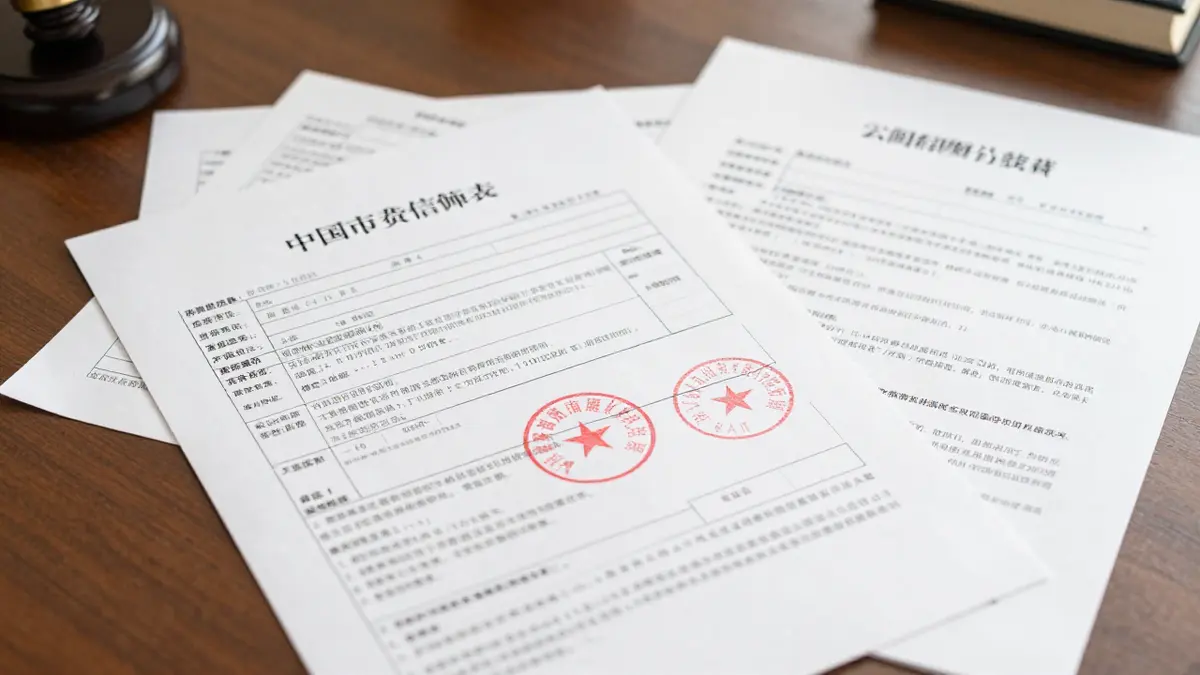

Workplace injuries can be particularly challenging for foreign employees working in China, who may be unfamiliar with the Chinese workers compensation system, their rights under PRC labor law, and the procedures for claiming benefits. Zongying Lu, a lawyer based in the Fuling District of Chongqing with expertise in employment and labor law, provides this guide for foreign employees and their employers on workers compensation in China.
The Chinese Workers Compensation System
Chinas workers compensation system is governed by the PRC Social Insurance Law and the Regulations on Work-Related Injury Insurance. The system requires all employers in China to enroll their employees in work-related injury insurance, known as gong shang bao xian, as part of the mandatory social insurance package. The insurance is funded entirely by employer contributions, calculated as a percentage of the employees gross salary, with rates varying by industry risk level. The contribution rate ranges from 0.2 percent for low-risk industries such as office services to 1.9 percent for high-risk industries such as mining and construction. Employers who fail to enroll employees in work-related injury insurance are liable for all compensation that would have been payable under the insurance scheme. Foreign employees working for a Chinese employer or a foreign-invested enterprise in China are entitled to the same workers compensation protections as Chinese employees, provided they are properly registered in the social insurance system.
Definition of Work-Related Injury
Under Chinese law, a work-related injury is defined as an injury caused by an accident during working hours and at the workplace, or an injury suffered during the course of performing work-related duties. The definition also covers occupational diseases recognized under the PRC Occupational Disease Prevention and Control Law, injuries suffered during commuting to and from work in a traffic accident for which the employee is not the primary responsible party, and injuries suffered during work-related travel or training activities. Injuries caused by an employees intentional criminal conduct, alcohol or drug intoxication, or self-harm are excluded from coverage. The determination of whether an injury is work-related is made by the local human resources and social security bureau based on an investigation. Employers are required to report workplace injuries to the bureau within 30 days of the accident. If the employer fails to report, the employee or their family may file a claim directly within one year of the injury.

- Work-related injury recognition, social-insurance benefits, and employer top-up / civil claim.
- Work-Injury Compensation.
- FAILURE MODES
Compensation Benefits
The workers compensation insurance provides a comprehensive package of benefits for injured employees. Medical treatment expenses for work-related injuries are covered in full, including hospitalization, surgery, medication, rehabilitation, and assistive devices. During the medical treatment period, the employee is entitled to paid leave at their regular salary, capped at 12 months, extendable in severe cases. If the injury results in disability, the employee is entitled to a one-time disability lump sum payment based on the disability grade determined by a medical evaluation. Disability is graded from Level 1, the most severe, to Level 10, the least severe. For Levels 1 through 4, the employee is entitled to a monthly disability allowance in addition to the lump sum. In the tragic event of a work-related fatality, the family is entitled to a lump sum death benefit equivalent to 20 times the national average urban disposable income, plus funeral expenses and dependent support allowances. Attorney Lu advises foreign employees to ensure their employer has properly registered them in the social insurance system before any injury occurs.
Dispute Resolution in Workers Compensation Claims
Disputes in workers compensation claims often arise from disagreements over whether the injury is work-related, the severity of the disability, or the amount of compensation. If the employer disputes the work-related injury determination, the employee may request an administrative review or file an administrative lawsuit challenging the bureaus decision. If the dispute concerns the disability grade, the employee may request a re-evaluation by a higher-level medical evaluation committee. In cases where the employer has not enrolled the employee in insurance, the employee must pursue compensation directly from the employer through labor arbitration or civil litigation. The statute of limitations for workers compensation claims is one year from the date the employee knew or should have known of the injury. Attorney Lu recommends that foreign employees maintain documentation of their employment relationship, including the labor contract, salary records, and social insurance enrollment confirmation, as these documents are essential for proving their claim.
Zongying Lu practices law in the Fuling District of Chongqing, representing employees and employers in workers compensation claims, labor disputes, and employment-related litigation. He advises all foreign employees in China to verify their social insurance enrollment status and to seek legal advice promptly if they suffer a workplace injury.
This article is for informational purposes only. Individuals should consult qualified legal professionals for advice tailored to their specific circumstances.
Employment Law Application Notes
My case plan tests enforceability early—asset location, license pressure points, receivable chains, and interim tools—before heavy spend on pure merits briefing.
I document scope, assumptions, and decision rights at engagement start so foreign clients know what will be filed, who must approve, and when silence becomes a missed deadline.
- Kickoff scope memo and remedy ladder
- Bilingual document control
- Deadline and limitation tracking
- Enforcement and settlement options in parallel
Operational Checklist for Foreign Readers
I treat bilingual consistency as a risk control: chops, authority documents, and English summaries must tell the same commercial story.
- Documented objectives and preferred remedies
- Bilingual document control
- Deadline and limitation tracking
- Enforcement and settlement options in parallel
Risk Controls Before Escalation

- Work-Injury Compensation — process. Work-Injury Compensation — sequence; Report the injury; Apply determination; Open the SI claim; Compute employer top-up; Preserve medical records.
- Work-Injury Compensation — process.
- Settle only above the statutory
I prefer early written notices and clean evidence indexes over informal WeChat-only chains when the amount or regulatory exposure is material.
- Mandate letter covering scope and outcomes
- Bilingual document control
- Deadline and limitation tracking
- Enforcement and settlement options in parallel
Discussion
Share experience or questions about this topic. This is a public discussion — not legal advice. Do not post confidential case details.
Have a question after reading? Leave it here, or Ask a Lawyer for a free initial intake.
Comments are moderated. China Legal Portal is a directory and information resource; no attorney–client relationship is formed by posting here.