
Chinese companies looking at Peru need practical answers. This guide in the voice of María Guerrero at Guerrero Abogados in Lima outlines the decision framework for mining and natural resources trade compliance in Peru for Chinese investors.
Why Peru Matters
The Legal Rule
Key differences: ownership chain disclosure, filing deadlines shorter than HQ cycles, and remedies that may not match expectations.
The Business Impact
Make the commercial invoice, product description, origin evidence and customs declaration tell the same story. Inconsistent records can turn a routine shipment into a valuation, classification or compliance dispute. Apply that to the facts of Mining and Natural Resources Trade Compliance in Peru for Chinese Investors.
Peru offers opportunities but local procedure differs from Mainland practice. Key differences: ownership chain disclosure, filing deadlines shorter than HQ cycles, and remedies that may not match expectations.
Key Considerations for Chinese Clients
Control and substance
Document who decides, where key assets sit, and whether the structure is commercial or simply convenient for tax planning.
Sequencing
Diligence, structure memo, conditions precedent, filings, funding, go-live. Treat each as a decision gate.
Evidence and language
Preserve signed versions in a working language. Produce bilingual operative sets early.
Exit planning
Ask before signing: how does the Chinese party collect if the other side defaults?
Practical Steps
- Fact pack: ownership chart, contracts, objective
- Qualification memo: mandatory filing? Suspensory?
- Document localization
- Execution tracking
- Post-closing sprint
How María Helps
María focuses on turning Peru procedure into sequenced decisions. Chinese clients with organized facts finish faster. Contact via the site form.
Checklist
| Question | Done |
|---|---|
| Control chart complete? | |
| Filing thresholds confirmed? | |
| Funding gated on clearances? | |
| Forum matched to assets? |
Peru Regulatory Framework for Mining Investments
Peru mining sector is regulated by the Ministry of Energy and Mines. The General Mining Law governs concession rights, extraction permits, and environmental obligations. Chinese investors must obtain mining concessions through the National Mining and Petroleum Institute (INGEMMET), which grants exploration and exploitation rights for renewable 30-year terms.
The environmental regulator OEFA monitors compliance throughout the project lifecycle. Chinese companies including Shougang, Chinalco, and Zijin (Rio Blanco) have operated in Peru under this framework. Environmental impact assessments must be approved before construction begins, and periodic audits apply during operations.
Filing Thresholds and Regulatory Approvals

- trade-and-customs-blog · article 1825
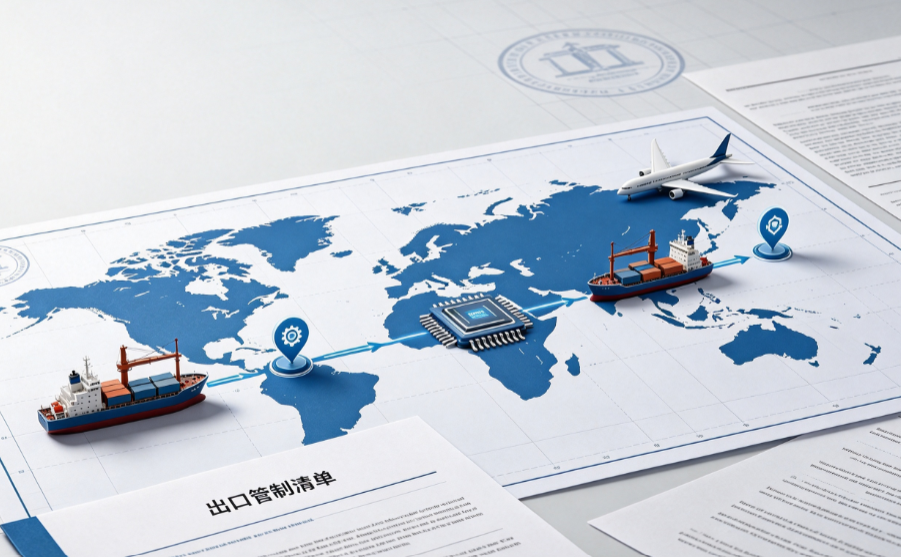
- TRADE / CUSTOMS MAP
- ENTRY FAILS
Peruvian foreign investment screening applies to mining acquisitions exceeding certain thresholds. The private investment promotion agency ProInversion facilitates qualifying investments through stability agreements that guarantee tax and legal terms for 10 to 15 years. These agreements provide the predictability Chinese capital requires for large-scale mining projects.
Chinese investors should prepare comprehensive technical and financial documentation in Spanish. Translation accuracy matters at every stage, from the initial concession application to ongoing compliance reporting to OEFA and OSINERGMIN.
Ownership Structure and Substance Requirements
Peruvian law requires mining rights holders to maintain minimum investment commitments and production schedules. Passive ownership structures without local substance face scrutiny during concession renewals. Chinese groups should establish a local operating entity with qualified personnel, registered address, and demonstrated capacity to meet the work program commitments in the concession agreement.
The ownership chain for mining investments typically includes a Peruvian operating company, a regional holding vehicle, and the ultimate parent. Each tier must maintain proper corporate records, tax filings, and substance documentation to satisfy both Peruvian regulators and Chinese outbound investment authorities.
Tax Considerations for Mining Operations
Peru imposes a mining royalty, special mining tax, and windfall profit levy on mining operations. The tax burden varies by operating margin and production volume. Chinese investors should structure their Peruvian mining investments with attention to the stability agreement framework, which caps the total tax burden at 50 percent of taxable income for qualifying projects.
Transfer pricing rules apply to related-party transactions including management fees, technical service payments, and concentrate sales to affiliated trading companies. Chinese groups must maintain contemporaneous transfer pricing documentation in Spanish that satisfies SUNAT requirements.
VAT on mining imports and local purchases can be recovered through the early VAT refund mechanism available to mining companies during the exploration and pre-production phases. This provides meaningful working capital relief during the capital-intensive development stage.
Community Relations and Social License
Peruvian mining law requires consultation with indigenous communities before project development. The prior consultation mechanism applies to projects affecting traditional lands. Chinese investors should engage community relations specialists early in the exploration phase. Social conflicts have delayed or halted mining projects in Peru, and proactive community investment programs significantly reduce these risks.
Labor regulations require mining companies to maintain specific safety standards under DS 024-2016-EM. Chinese supervisors must adapt to Peruvian labor practices including profit sharing requirements, overtime rules, and union engagement protocols.
Exit Strategy for Mining Assets
Transferring mining concessions requires INGEMMET approval. Due diligence on potential buyers includes verifying technical and financial capacity. Chinese investors exiting Peruvian mining assets should plan for a 6 to 12 month regulatory approval process. Asset purchase structures are more common than share deals in Peru mining transactions due to liability management considerations related to environmental remediation obligations.
Due Diligence Priorities for Peruvian Mining Acquisitions
Chinese investors evaluating mining assets in Peru should conduct thorough due diligence covering title verification, environmental liabilities, community agreements, and tax compliance history. Title due diligence requires tracing the concession chain through INGEMMET records, confirming that all previous holders satisfied their minimum production commitments and that no cancellation proceedings are pending. Environmental due diligence should review OEFA inspection history, outstanding remediation orders, and compliance with closure plan requirements.
Community agreements with local populations must be reviewed for their binding commitments, duration, and dispute resolution mechanisms. Some Peruvian mining projects have faced significant delays due to unresolved community negotiations, and acquiring these agreements as part of the transaction provides valuable risk mitigation.
Tax due diligence should focus on the target stability agreement status, pending SUNAT audits, and transfer pricing documentation completeness. A well-structured acquisition that addresses these due diligence areas can close within 4 to 6 months, while unresolved issues may extend the timeline significantly.
Local Partner Considerations

- Process flow: Mining and Natural Resources Trade Compliance in Peru for Chinese Investors.
Peruvian regulations require mining companies to maintain certain local participation in specific contexts. Chinese investors should evaluate potential local partners based on their operating track record, community relationships, and regulatory compliance history. Joint venture structures with experienced Peruvian mining operators can accelerate the learning curve and reduce regulatory friction.
The due diligence process should also identify any permitting gaps, pending litigation, or regulatory changes that could affect project economics. Engaging Peruvian legal counsel with mining-sector expertise is essential for navigating these complex assessments.
Logistics and Infrastructure Considerations
Peru mining logistics present unique challenges for Chinese investors. Most major mining operations are located in the Andean highlands, requiring significant investment in road infrastructure, power supply, and water management. The Port of Callao serves as the primary export gateway for mineral concentrates, while the Port of Matarani in the south handles copper and zinc exports from the southern mining corridor. Chinese investors should assess logistics costs and infrastructure reliability as part of their investment planning.
Mining companies must also address water rights, which are regulated separately from mineral rights in Peru. Water use permits must be obtained from the National Water Authority, and mining operations must comply with water quality standards that have become increasingly stringent in recent years. Chinese investors should include water infrastructure planning and permit timelines in their project development schedule.
Chinese investors with a well-structured approach to Peruvian mining investments can achieve successful outcomes by engaging experienced local counsel, maintaining constructive community relationships, and planning for the full investment lifecycle including eventual exit. The Peru mining sector continues to offer significant opportunities for Chinese capital, and the regulatory framework has matured to provide greater predictability for foreign investors.
María Guerrero focuses on helping Chinese clients navigate Peru mining procedure. Chinese investors with organized project documentation and realistic timelines finish faster. Contact via the site form to discuss your specific investment plan.
Discussion
Share experience or questions about this topic. This is a public discussion — not legal advice. Do not post confidential case details.
Have a question after reading? Leave it here, or Ask a Lawyer for a free initial intake.
Comments are moderated. China Legal Portal is a directory and information resource; no attorney–client relationship is formed by posting here.