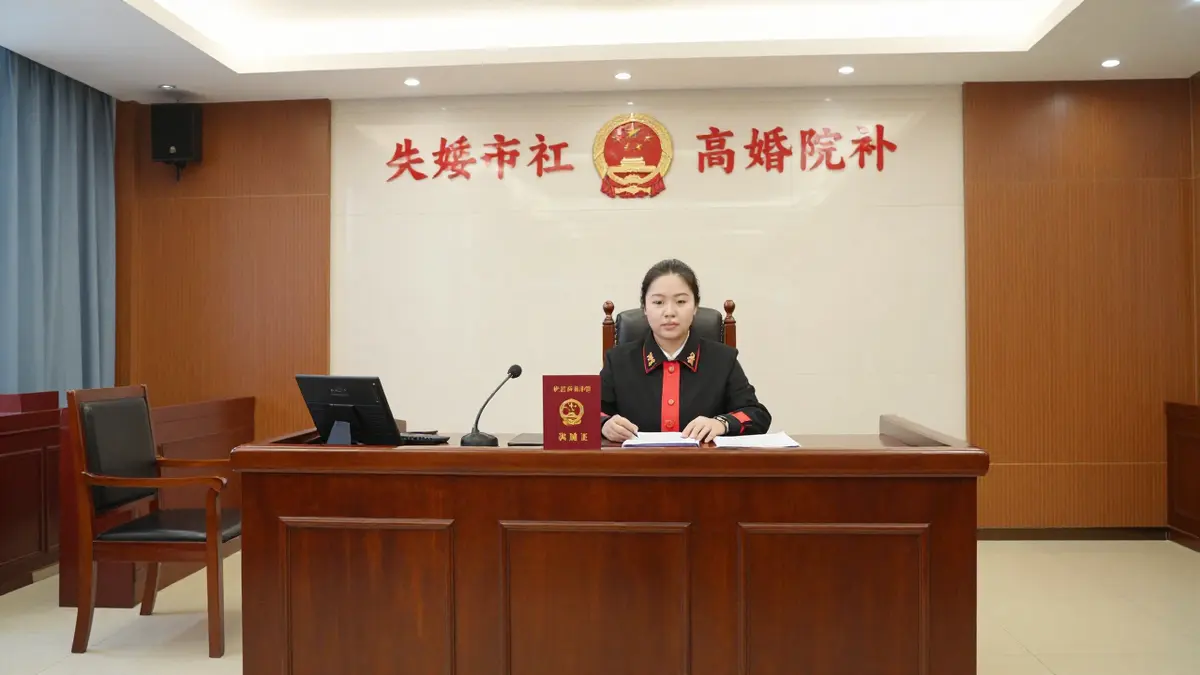

China's marriage law, now codified in the Marriage and Family Book of the Civil Code, provides a clear framework for divorce and property division. When a marriage ends, the court distinguishes between separate property and community property. Community property includes income earned during the marriage, housing purchased for family use, business investments made after marriage, and intellectual property income. Separate property includes assets acquired before marriage, gifts or inheritance received by one spouse, and personal items such as clothing and professional tools. The distinction is critical because community property is divided between the spouses while separate property remains with the owning spouse.
The basic principle is equal division of community property. However, the court may grant a larger share to the spouse who has primary custody of minor children, whose economic situation is weaker, or who contributed more significantly to the acquisition of the property. This is particularly relevant in international marriages where one spouse may have limited financial resources or employment prospects in China. Courts may also consider fault in the dissolution of the marriage — for instance, if one spouse committed adultery, domestic violence, or abandoned the family, the other spouse may be entitled to a larger property share and damages.
Domestic violence is a particularly serious factor in Chinese divorce proceedings. When domestic violence is proven, the victim may claim damages from the abusive spouse in addition to property division. Under the Anti-Domestic Violence Law of 2016, victims may apply for a personal safety protection order from the court, which can prohibit the abuser from further harassment, assault, or contact. The court must rule on the application within 72 hours, or within 24 hours in emergency situations. Protection orders can remain in effect for up to six months and may be extended. Violation of a protection order is a legal offense that can result in fines, detention, or criminal prosecution.

- FAILURE MODES
- Where the marriage/property sits
- Property regime
Divorce proceedings follow one of two paths in China: mutual divorce by agreement or contested divorce through litigation. In a mutual divorce, both spouses must appear in person at the marriage registration authority and submit a written divorce agreement addressing property division, child custody, and financial support. The Civil Code introduced a 30-day cooling-off period: after submitting the application, either party may withdraw it within 30 days. If neither withdraws, both must apply for the actual divorce certificate within the following 30 days. This cooling-off period has generated significant discussion as it can delay divorce even in cases involving domestic violence or abuse.
In contested divorce proceedings, the court will first attempt mediation. If mediation fails, the court will grant a divorce only if it finds that the marital relationship has truly broken down. Article 1079 of the Civil Code specifies grounds for divorce: bigamy or cohabitation with a third party, domestic violence or abuse, desertion for at least two years due to incompatibility, or other circumstances causing complete breakdown of the marriage. If the court does not grant a divorce on the first petition, the petitioner must wait six months before filing again. Property division in contested cases follows the same principles as mutual divorce, though the court may also consider evidence of hidden or dissipated marital assets.
Foreign nationals divorcing in China should know that Chinese courts have jurisdiction when either spouse resides in China. Pre-nuptial agreements are legally recognized under Chinese law but must be properly notarized to be enforceable. A pre-nuptial agreement executed abroad should be apostilled or authenticated for use in China. Child custody determinations follow the best interests of the child standard: children under two years are generally awarded to the mother, children between two and eight are decided based on which parent provides the more favorable environment, and children over eight have their preferences considered. Foreign parents should also be aware that China is not a signatory to the Hague Convention on International Child Abduction, which can complicate cross-border custody disputes.
Family Law Application Notes
I build the strategy around collection and interim leverage first—assets, licenses, receivables, and protective measures—so a paper win is not the only end state.
I document scope, assumptions, and decision rights at engagement start so foreign clients know what will be filed, who must approve, and when silence becomes a missed deadline.
- Kickoff scope memo and remedy ladder
- Bilingual document control
- Deadline and limitation tracking
- Enforcement and settlement options in parallel
Operational Checklist for Foreign Readers
I treat bilingual consistency as a risk control: chops, authority documents, and English summaries must tell the same commercial story.
- Documented objectives and preferred remedies
- Bilingual document control
- Deadline and limitation tracking
- Enforcement and settlement options in parallel
Risk Controls Before Escalation
I prefer early written notices and clean evidence indexes over informal WeChat-only chains when the amount or regulatory exposure is material.
- Mandate letter covering scope and outcomes
- Bilingual document control
- Deadline and limitation tracking
- Enforcement and settlement options in parallel
Implementation Detail 1
- Agreed work plan and remedy path
- Bilingual document control
- Deadline and limitation tracking
- Enforcement and settlement options in parallel
How Chinese Courts Frame the Best Interests of the Child
The Legal Rule
China's marriage law, now codified in the Marriage and Family Book of the Civil Code, provides a clear framework for divorce and property division.
The Business Impact
Gather the marriage, identity, asset, income and child-related records that determine jurisdiction and relief before filing or negotiating. Cross-border facts can change both the available order and whether it will be practical to enforce. Apply that to the facts of Divorce and Property Division Under Chinese Marriage Law.

- Divorce and Property Division Under Chinese Marriage Law — process.
- Classify property
- Preserve evidence
- Address children if any
- Judgment or agreement
In parenting disputes, Chinese courts do not treat custody as a pure parental entitlement contest. Age, caregiving history, schooling stability, health needs and the feasibility of a workable routine after separation all appear in reasoning. A proposal that looks equal on paper but collapses weekly travel may be weaker than a slightly unequal schedule that the child can actually live.
Where one parent is a foreign national or the child has lived abroad, jurisdiction and recognition questions should be mapped early. Parallel proceedings in two countries create affidavit and strategy risks if stories diverge. Counsel should coordinate so that filings in one forum do not undermine the other.
Safety allegations change both interim and final outcomes, but they must be evidenced: medical records, police reports, protection orders and contemporaneous messages carry more weight than narratives written only after negotiations fail.
Discussion
Share experience or questions about this topic. This is a public discussion — not legal advice. Do not post confidential case details.
Have a question after reading? Leave it here, or Ask a Lawyer for a free initial intake.
Comments are moderated. China Legal Portal is a directory and information resource; no attorney–client relationship is formed by posting here.