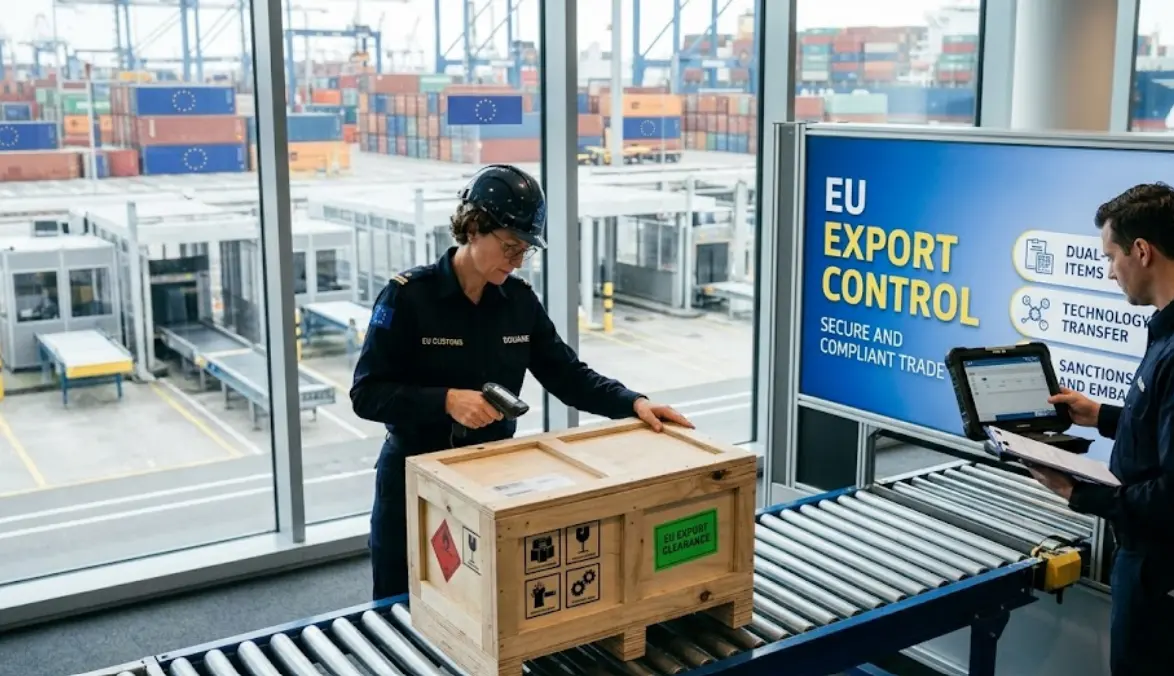

This article examines cross-border e-commerce connected with Hedong, including business models, platform duties, customs clearance, product compliance, consumer rights, data handling and tax records.
This article examines cross-border e-commerce connected with Hedong, including business models, platform duties, customs clearance, product compliance, consumer rights, data handling and tax records. The principal legal framework is national rather than Hedong-specific; the location matters through the parties, transaction, evidence, assets, regulator or forum involved.
\nA useful first step is to establish the applicable customs model and positive-list treatment. The analysis should then connect the governing rules to contemporaneous documents and to the remedy or regulatory outcome actually required. This guide provides general information and does not replace advice on the facts of a particular matter.
Legal framework and scope
China applies national e-commerce, customs, product, consumer, advertising, data and tax rules. Special cross-border retail-import policies can apply only where the transaction, platform, payment and logistics model satisfies their conditions. For a matter linked to Hedong, confirm the relevant authority and procedure from current official materials before acting.
Issues to define at the outset
| Issue | Working question |
|---|---|
| the role of platform, seller, importer and logistics provider | Which party is responsible and what authority is required? for the Hedong matter |
| the applicable customs model and positive-list treatment | What deadline, filing or procedural consequence follows? for the Hedong matter |
| product standards, labels, licences and prohibited goods | How would the point be proved to a regulator, tribunal or court? for the Hedong matter |
| consumer information, returns and platform dispute handling | What corrective action or remedy is realistically available? for the Hedong matter |
| personal-information, payment and transaction-record controls | What fact or document establishes this point? for the Hedong matter |
Evidence and document control
The working file for the Hedong matter should ordinarily address platform terms; seller and entity registrations; product specifications; labels; customs and payment records; logistics data; consumer disclosures; consent records; complaints; returns; advertising substantiation; and tax invoices. The list must be adapted to the transaction or dispute; collecting a large volume of records is not a substitute for proving the elements that matter.
For the Cross-border E-commerce file connected with Hedong, preserve original electronic files and reliable metadata where timing, authorship or transmission may be disputed. Record how each item was obtained, identify any translation, and separate privileged analysis from material intended for an authority, counterparty or adjudicator.
Procedure and decision sequence
Diagram the commercial and data flows before launch. Confirm who is seller and importer, which party files customs data, whether the product qualifies for the proposed route, and how refunds, recalls and regulatory requests will be handled. In Hedong, local logistics may affect where records are collected, which office receives a filing, or where assets can be preserved, but they do not create a different national substantive law.
Risks requiring early escalation
Marketing a transaction as cross-border does not displace mandatory product or consumer rules. Inconsistent order, payment and logistics data, unsupported claims, unlawful collection of personal information or use of the wrong customs model can trigger platform and regulatory action. For the Hedong matter, escalate uncertainty affecting validity, a mandatory deadline, licensing status, evidence preservation, personal liability or the ability to enforce the intended outcome.
Principal legal authorities
For Cross-border E-commerce connected with Hedong, the following official sources establish the principal national framework. Their application depends on the facts, and sector rules, judicial interpretations and current filing guidance may also be required.
- E-commerce Law of the PRC — use the current official text and any applicable implementing rules.
- Customs Law of the PRC — use the current official text and any applicable implementing rules.
- Personal Information Protection Law of the PRC — use the current official text and any applicable implementing rules.
- General Administration of Customs — use the current official text and any applicable implementing rules.
Action checklist for a matter connected with Hedong
- Define the parties, objective, timeline and location connection.
- Identify the controlling national rule and any sector-specific overlay.
- Assemble the evidence needed for the elements, filing or remedy.
- Map approvals, deadlines, responsible persons and dependencies.
- Record the decision and verify completion against official requirements.
Author: Qinglei Wang. Substantially updated: 26 August 2026. This article is general legal information, not legal advice.
Discussion
Share experience or questions about this topic. This is a public discussion — not legal advice. Do not post confidential case details.
Have a question after reading? Leave it here, or Ask a Lawyer for a free initial consultation.
Comments are moderated. China Legal Portal is a directory and information resource; no attorney–client relationship is formed by posting here.