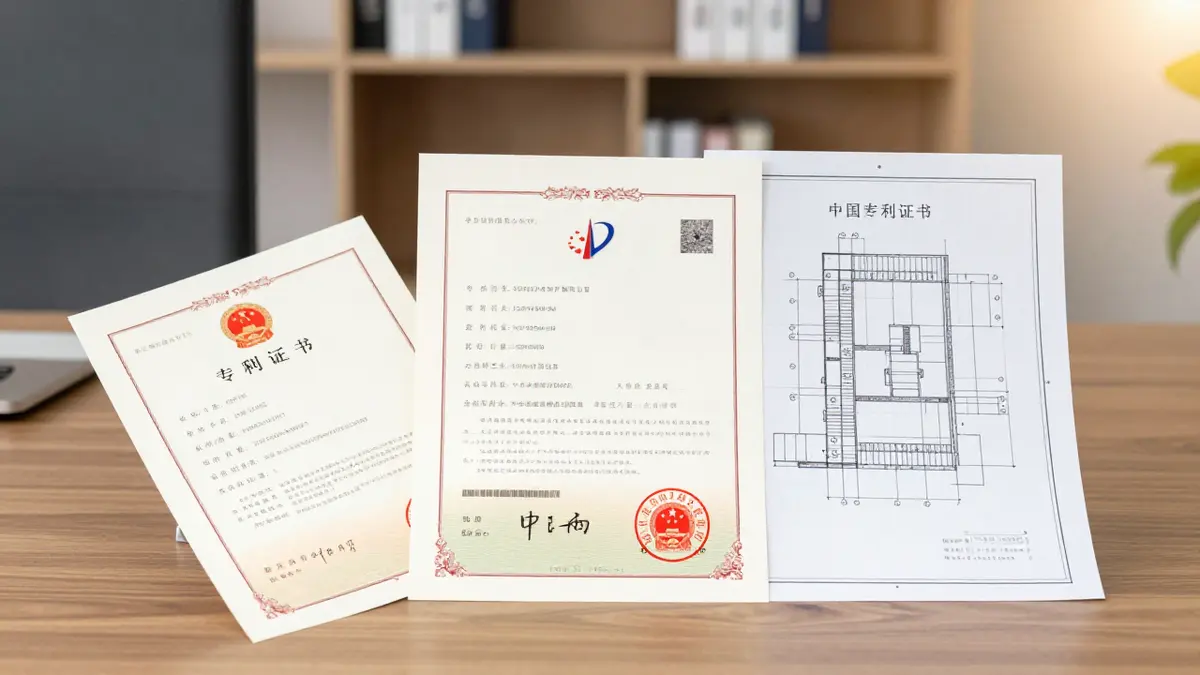

China has become the world's largest patent filing jurisdiction, handling over 1.5 million patent applications annually. For foreign companies operating in or exporting to China, understanding the Chinese patent system is not optional—it is a strategic necessity. Without proper patent protection, a company's innovations, manufacturing processes, and product designs are vulnerable to copying and infringement in the world's second-largest economy. This guide, prepared by Chuancheng Chai, head of the Intellectual Property department at Chongqing Tong'an Law Firm, explains the key aspects of patent protection in China for foreign businesses.
Types of Patents in China
The PRC Patent Law recognizes three distinct types of patents. Invention patents protect new technical solutions relating to a product, process, or improvement thereof. They provide 20 years of protection from the filing date and undergo substantive examination by the China National Intellectual Property Administration before grant. Utility model patents protect the shape, structure, or combination of a product that is suitable for practical use. These provide 10 years of protection and are granted after a preliminary examination only, making them faster to obtain but less thoroughly vetted. Design patents protect the shape, pattern, color, or combination thereof that creates an aesthetic appearance of a product. They provide 15 years of protection under the latest revision of the Patent Law. Foreign companies should carefully consider which patent type best suits each innovation, as the scope and duration of protection differ significantly.
Patent Filing Strategies for Foreign Applicants
Foreign companies have two primary routes for filing patent applications in China. The direct route involves filing a Chinese patent application through a qualified Chinese patent agency. China requires foreign applicants to appoint a Chinese patent agency registered with CNIPA to act as their representative. The alternative is the Patent Cooperation Treaty route, where the applicant files an international PCT application designating China, which then enters the Chinese national phase within 30 months from the priority date. For foreign companies with inventions protected in multiple jurisdictions, the PCT route offers the advantage of delaying the significant costs of Chinese prosecution while preserving the priority date. Attorney Chai advises that companies should also consider filing utility model patents alongside invention patents for the same invention, a strategy known as dual filing. The utility model provides earlier enforceable rights while the invention patent undergoes substantive examination, which can take three to five years.

- FAILURE MODES
- Patentability
- Novelty, inventiveness, sufficiency
Patent Enforcement in China
Patent enforcement in China has become increasingly effective in recent years. Rights holders may pursue enforcement through two parallel channels. Administrative enforcement involves filing a complaint with the local Intellectual Property Office, which can order the infringer to cease the infringing activities. This route is generally faster and less expensive than litigation. Judicial enforcement involves filing a patent infringement lawsuit in one of Chinas specialized Intellectual Property courts, located in Beijing, Shanghai, Guangzhou, Shenzhen, and other major cities. These courts have dedicated IP divisions with judges trained in technical matters. Chinese courts can issue preliminary injunctions, permanent injunctions, and award damages. The Supreme Peoples Court has established a specialized IP tribunal to hear appeals in patent cases, ensuring nationwide consistency in patent law interpretation.
Patent Invalidation Proceedings
In patent infringement litigation, the defendant often counterattacks by filing a patent invalidation request with CNIPA. The Patent Reexamination Board within CNIPA examines the validity of the asserted patent. If the patent is declared invalid, the infringement action collapses. Foreign companies should be prepared for invalidation challenges to their Chinese patents, particularly when enforcing patents against Chinese competitors. Attorney Chai has extensive experience handling patent invalidation proceedings before CNIPA and advises clients on building patent portfolios resilient to invalidation attacks.
Key Considerations for Foreign Companies
Several practical considerations are critical for foreign companies seeking patent protection in China. First, China operates on a first-to-file system, meaning the first party to file a patent application obtains the rights, regardless of who invented first. Foreign companies should file patent applications in China before disclosing inventions publicly, including at trade shows or in marketing materials. Second, patent applications must be filed in Chinese, and all communications with CNIPA must be conducted through a Chinese patent agent. Third, the Chinese patent office offers accelerated examination for certain categories of patents, including green technology and digital economy inventions, which can reduce examination time from years to months. Finally, foreign companies should conduct freedom-to-operate analyses before launching products in China to identify potential patent infringement risks and arrange necessary licenses.
Chuancheng Chai holds a masters degree from Fudan University and leads the IP department at Chongqing Tong'an Law Firm in the Jiangbei District of Chongqing. He advises domestic and international clients on patent portfolio management, patent infringement analysis, and IP litigation strategy, helping foreign companies protect their innovations effectively in the Chinese market.
This article is for informational purposes only and does not constitute legal advice. Companies should consult qualified legal professionals for advice tailored to their specific circumstances.
IP Law Application Notes
I align forum and pleading choices with what can actually be enforced: assets, licenses, cash flows, and available interim measures under PRC procedure.
I document scope, assumptions, and decision rights at engagement start so foreign clients know what will be filed, who must approve, and when silence becomes a missed deadline.
- Kickoff scope memo and remedy ladder
- Bilingual document control
- Deadline and limitation tracking
- Enforcement and settlement options in parallel
Operational Checklist for Foreign Readers
I treat bilingual consistency as a risk control: chops, authority documents, and English summaries must tell the same commercial story.

- Patent Protection in China — process.
- File before disclosure
- Draft claims to the product
- Preserve infringement proof
- Choose court/CNIPA sequence
- Documented objectives and preferred remedies
- Bilingual document control
- Deadline and limitation tracking
- Enforcement and settlement options in parallel
Risk Controls Before Escalation
I prefer early written notices and clean evidence indexes over informal WeChat-only chains when the amount or regulatory exposure is material.
- Mandate letter covering scope and outcomes
- Bilingual document control
- Deadline and limitation tracking
- Enforcement and settlement options in parallel
Discussion
Share experience or questions about this topic. This is a public discussion — not legal advice. Do not post confidential case details.
Have a question after reading? Leave it here, or Ask a Lawyer for a free initial intake.
Comments are moderated. China Legal Portal is a directory and information resource; no attorney–client relationship is formed by posting here.