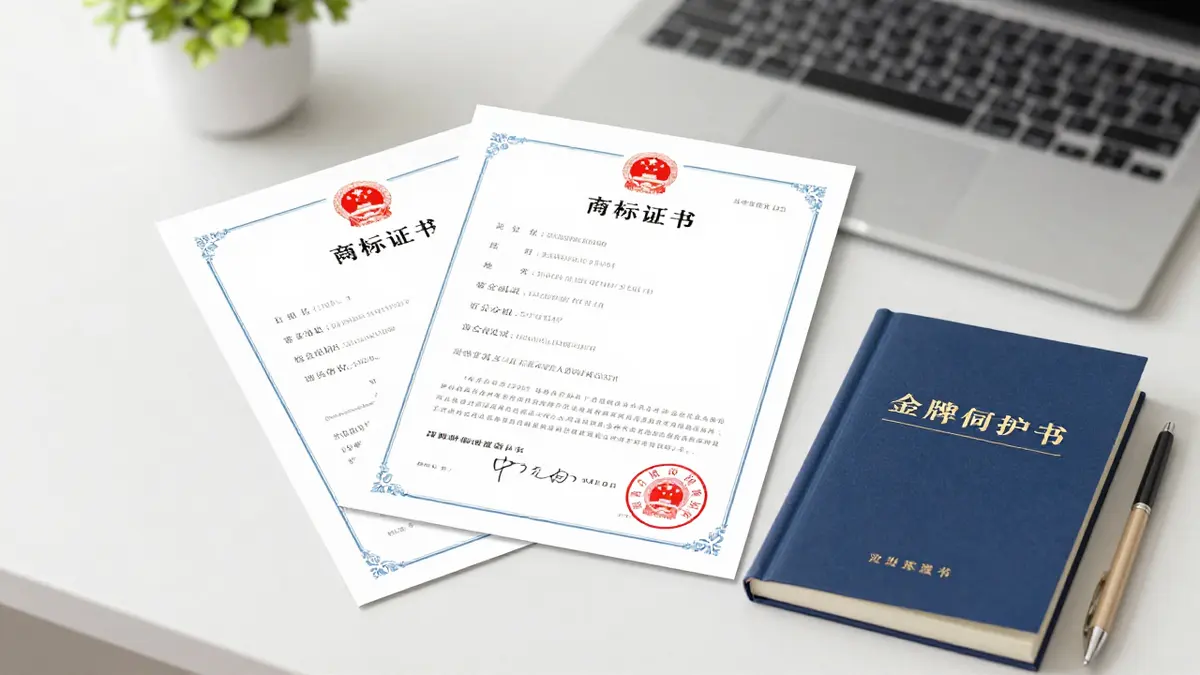

Medical Aesthetics Consumer Rights in China: A Complete Guide to Legal Protection The medical aesthetics industry in China has grown rapidly in recent years, but with this growth has come an increasing number of consumer disputes.
Medical Aesthetics Consumer Rights in China: A Complete Guide to Legal Protection
The Legal Rule
In China, treat medical aesthetics consumer rights as a question of a complete guide to legal protection. Naming the city does not replace the papers, approvals or forum that actually control the outcome.
The Business Impact
In China, confirm the documents, authority and local filings for this medical aesthetics consumer rights matter before you pay, transfer or sue. The city name is not a substitute for the file.
The medical aesthetics industry in China has grown rapidly in recent years, but with this growth has come an increasing number of consumer disputes. Foreign residents in China who undergo cosmetic medical procedures need to understand their legal rights and the available avenues for seeking compensation or other remedies when things go wrong. This article provides a comprehensive overview of consumer rights in China's medical aesthetics sector.
Common Types of Medical Aesthetics Disputes
Medical aesthetics disputes in China typically fall into several categories. False advertising and deceptive marketing practices are widespread, with clinics using misleading before-and-after photos, inflated credentials, and exaggerated claims about expected results. Low-price baiting schemes attract consumers with heavily discounted introductory offers, then pressure them into purchasing expensive additional treatments or packages.
Hidden or forced consumption occurs when clinics add charges for services that were represented as included in the package price. Service quality issues include procedures that fail to meet professional standards, use of counterfeit or substandard pharmaceutical products, and unlicensed practitioners performing procedures they are not qualified to perform. Facility closure and abscondment is an increasing concern, with some clinics closing suddenly, leaving patients with incomplete treatment and no recourse for prepaid fees.
Legal Framework
Medical aesthetics disputes in China are governed by multiple legal frameworks. The Consumer Rights Protection Law provides general protections against unfair business practices including false advertising, fraud, and breach of contract. Successful consumer claims may result in refunds, damages, and in cases involving fraud, treble damages under Article 55 of the Consumer Rights Protection Law.

- FAILURE MODES
- Medical vs beauty qualification
The Medical Practitioner Law and relevant health regulations govern the qualifications and conduct of medical aesthetics practitioners. Procedures performed by unlicensed practitioners may constitute illegal medical practice (illegal medical practice) and can be reported to health authorities for administrative enforcement and potentially criminal prosecution.
Evidence Collection
Successful medical aesthetics claims depend heavily on the quality of evidence. Consumers should preserve all documentation including the treatment contract, payment receipts and proof of transfer, before and after photographs with timestamps, medical records including diagnosis and treatment notes, all communication records with the clinic including WeChat messages, and expert medical opinions if obtained. Evidence of false advertising claims should be preserved through screenshots of the clinic's promotional materials.
Available Remedies
Consumers who have suffered harm from medical aesthetics procedures have several avenues for relief. The most efficient approach is often to file a complaint with the local health commission (health commission), which can investigate the clinic and impose administrative sanctions for regulatory violations. The market regulation bureau (market regulation authority) can address false advertising and unfair business practice claims. These administrative channels can often achieve refunds and compensation more quickly than litigation.
Civil litigation is available for cases involving personal injury, medical malpractice, or breach of contract. Consumers may claim compensation for medical expenses, lost income, pain and suffering, and the cost of corrective procedures. In cases involving counterfeit medical products or particularly egregious misconduct, criminal complaints may be filed with the public security authorities.
Ms. Yunying Zeng of Shenzhen specializes in medical aesthetics rights protection. As the Guangdong representative of the Bairui National Medical Aesthetics Rights Protection Lawyers Group, she has extensive experience handling the full range of medical aesthetics disputes. She maintains close working relationships with the Shenzhen health commission and market regulation authorities, enabling efficient resolution of consumer claims through both administrative channels and litigation.
Regulatory Framework for Medical Aesthetics in China
The medical aesthetics industry in China is regulated by multiple government agencies under a complex regulatory framework. The National Health Commission sets standards for medical practice qualifications and facility requirements. The State Administration for Market Regulation oversees advertising, consumer protection, and pricing practices. The National Medical Products Administration regulates medical devices and pharmaceutical products used in aesthetics procedures, including dermal fillers, botulinum toxin products, and aesthetic laser devices.
Medical aesthetics procedures in China are classified as medical treatments, not cosmetic services, and can only be performed in licensed medical facilities by licensed medical practitioners. Facilities must obtain a Medical Institution Practice License specifying the types of procedures they are authorized to perform. Practitioners must hold valid Physician Practice Certificates with qualifications in relevant specialties such as plastic surgery or dermatology. Procedures performed in unlicensed facilities or by unlicensed practitioners constitute illegal medical practice and may result in administrative penalties, civil liability, and criminal prosecution.
Compensation Standards for Medical Aesthetics Injuries
When a medical aesthetics procedure results in injury or unsatisfactory results, the consumer may claim various categories of compensation under Chinese law. Medical expenses for corrective treatment, including revision surgery and medication, are recoverable. Lost income during the period of treatment and recovery can be claimed based on the consumer's income documentation. Pain and suffering compensation (mental distress compensation) is available in cases involving significant physical or emotional harm, though Chinese courts are generally conservative in awarding this category of damages compared to common law jurisdictions. In cases involving fraudulent practices, such as the use of counterfeit products or misrepresentation of practitioner qualifications, consumers may claim punitive damages of up to three times the actual loss under Article 55 of the Consumer Rights Protection Law.
IP Law Application Notes
I treat bilingual consistency as a risk control: chops, authority documents, and English summaries must tell the same commercial story.

- Medical Aesthetics Consumer Rights in China — process.
- Confirm the licence
- Collect consent and records
- Preserve photos/product
- Frame appraisal
I prefer early written notices and clean evidence indexes over informal WeChat-only chains when the amount or regulatory exposure is material.
- Written engagement scope and remedy options
- Bilingual document control
- Deadline and limitation tracking
- Enforcement and settlement options in parallel
Operational Checklist for Foreign Readers
I convert complex Chinese procedure into a dated checklist with owners for translation, notarization, and internal sign-off across time zones.
- Kickoff scope memo and remedy ladder
- Bilingual document control
- Deadline and limitation tracking
- Enforcement and settlement options in parallel
Risk Controls Before Escalation
I align forum and pleading choices with what can actually be enforced: assets, licenses, cash flows, and available interim measures under PRC procedure.
- Documented objectives and preferred remedies
- Bilingual document control
- Deadline and limitation tracking
- Enforcement and settlement options in parallel
Discussion
Share experience or questions about this topic. This is a public discussion — not legal advice. Do not post confidential case details.
Have a question after reading? Leave it here, or Ask a Lawyer for a free initial intake.
Comments are moderated. China Legal Portal is a directory and information resource; no attorney–client relationship is formed by posting here.