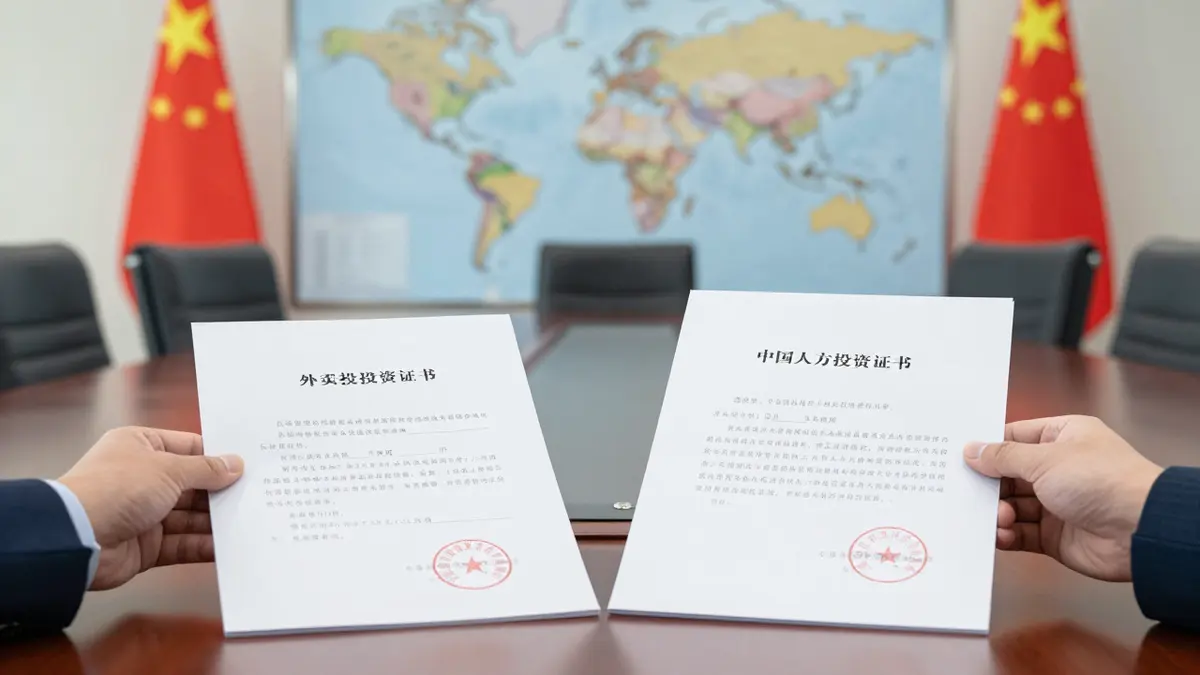

Foreign investment in China's energy and infrastructure sectors has grown substantially since the implementation of the Foreign Investment Law in 2020. The law replaced the previous approval-based system with a streamlined registration and negative list approach, creating new opportunities for foreign investors while maintaining regulatory oversight in sectors deemed critical to national security. For foreign companies considering investment in Chinese energy projects, understanding the current legal framework is essential for structuring compliant transactions and managing regulatory risk.
The Foreign Investment Law Framework
The PRC Foreign Investment Law, which took effect on January 1, 2020, establishes the basic legal framework for foreign investment in China. The law is supplemented by the Implementing Regulations of the Foreign Investment Law and the Special Administrative Measures for Foreign Investment Access, commonly known as the Foreign Investment Negative List. Under the negative list system, foreign investment in most sectors is permitted on a national treatment basis, meaning foreign investors are treated no less favorably than domestic investors. For sectors listed on the negative list, foreign investment is either prohibited outright or subject to additional conditions, such as joint venture requirements, shareholding caps, or management control restrictions. The energy sector in China is partially restricted under the negative list, with nuclear power generation subject to majority Chinese ownership requirements and certain oil and gas pipeline projects subject to joint venture requirements.
Market Access and Approval Procedures
Foreign investors in Chinese energy infrastructure must navigate multiple regulatory approval processes. The first step is to determine whether the proposed investment falls within a restricted or prohibited category under the negative list. If the investment is in a permitted sector, the investor must complete foreign investment information reporting with the Ministry of Commerce or its local counterpart, file for project approval or record-filing with the National Development and Reform Commission, and apply for applicable business licenses and permits. For energy projects involving power generation, transmission, or distribution, additional approvals from the National Energy Administration are required. Projects involving the exploration or development of oil, natural gas, or mineral resources require permits from the Ministry of Natural Resources under the Mineral Resources Law.

- LEGAL TESTS
- FAILURE MODES
- Negative list; restricted energy
Dispute Resolution Mechanisms for Foreign Investors
Foreign investors in Chinese energy infrastructure projects should ensure their investment agreements include robust dispute resolution provisions. International arbitration is generally preferred for cross-border energy investments, with common venues including the Hong Kong International Arbitration Centre, the Singapore International Arbitration Centre, and the ICC International Court of Arbitration in Paris. China is a signatory to the New York Convention on the Recognition and Enforcement of Foreign Arbitral Awards, which facilitates the enforcement of international arbitration awards in Chinese courts. For disputes arising under bilateral investment treaties, foreign investors may have the additional option of investor-state arbitration. Jiang Yanchao in Wuhan has extensive experience advising foreign clients on energy and infrastructure investments in China, including regulatory compliance, transaction structuring, and cross-border dispute resolution.
Dispute Resolution Application Notes
I build the strategy around collection and interim leverage first—assets, licenses, receivables, and protective measures—so a paper win is not the only end state.
I document scope, assumptions, and decision rights at engagement start so foreign clients know what will be filed, who must approve, and when silence becomes a missed deadline.
- Kickoff scope memo and remedy ladder
- Bilingual document control
- Deadline and limitation tracking
- Enforcement and settlement options in parallel
Operational Checklist for Foreign Readers
I treat bilingual consistency as a risk control: chops, authority documents, and English summaries must tell the same commercial story.
- Documented objectives and preferred remedies
- Bilingual document control
- Deadline and limitation tracking
- Enforcement and settlement options in parallel
Risk Controls Before Escalation
I prefer early written notices and clean evidence indexes over informal WeChat-only chains when the amount or regulatory exposure is material.
- Mandate letter covering scope and outcomes
- Bilingual document control
- Deadline and limitation tracking
- Enforcement and settlement options in parallel
Implementation Detail 1
- Agreed work plan and remedy path
- Bilingual document control
- Deadline and limitation tracking
- Enforcement and settlement options in parallel
Implementation Detail 2
I convert complex Chinese procedure into a dated checklist with owners for translation, notarization, and internal sign-off across time zones.
Enforcement feasibility shapes my advice from day one: attachable assets, license exposure, receivables, and interim relief sit beside the merits analysis.
- Written engagement scope and remedy options
- Bilingual document control
- Deadline and limitation tracking
- Enforcement and settlement options in parallel
Forum Selection and Interim Measures

- Map project approvals
- Test security review
- Paper LUR/offtake
- File FI/SAMR
- Close only after gates
A strong paper claim is incomplete if it cannot be enforced where assets and decision-makers sit. Forum clauses, arbitration seats and court jurisdiction should be stress-tested against the enforcement map at the outset.
Property preservation and other interim measures can matter more than a distant final judgment. Eligibility, bond requirements and timing should appear in the first case plan.
Multi-contract systems—supply, guarantee, side letters and platform terms—must be read together. Winning on one document while losing the framework is a recurring failure mode.
Discussion
Share experience or questions about this topic. This is a public discussion — not legal advice. Do not post confidential case details.
Have a question after reading? Leave it here, or Ask a Lawyer for a free initial intake.
Comments are moderated. China Legal Portal is a directory and information resource; no attorney–client relationship is formed by posting here.