
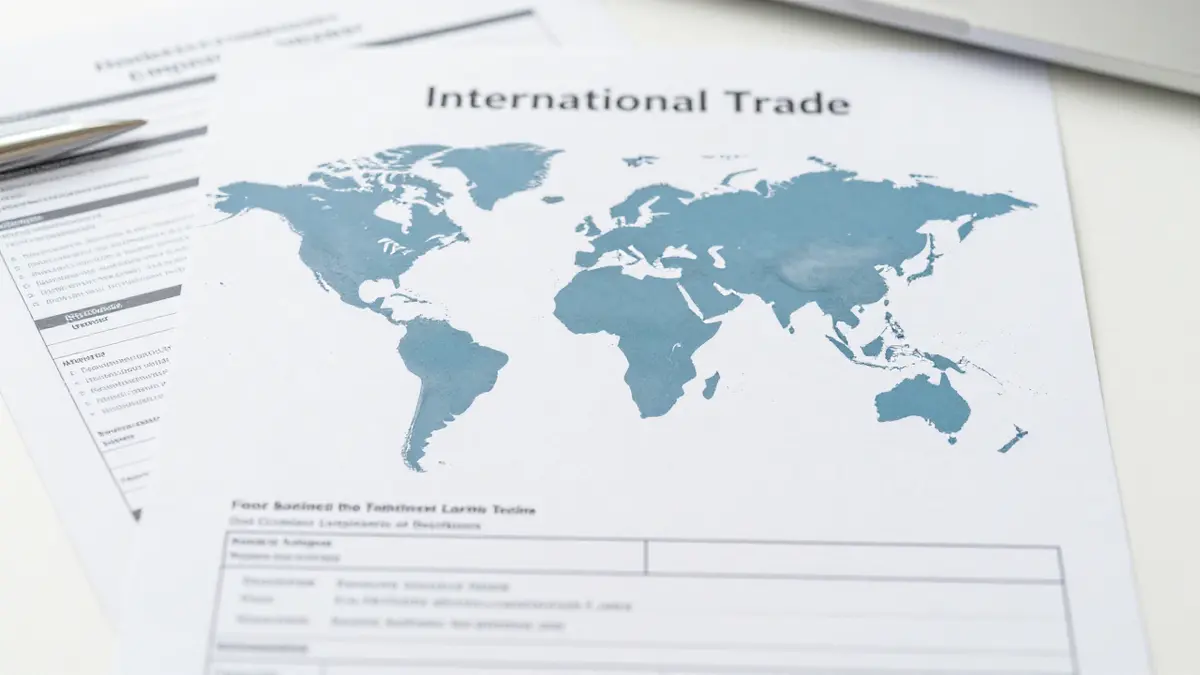

China's role as the world's largest trading nation means import and export compliance is critical for companies trading through Guangxi ports. Fangchenggang trade lawyer Tao Xu explains the key regulatory frameworks for foreign trading companies.
The Regulatory Framework
The Legal Rule
In China, treat import and export compliance as a question of a complete guide for foreign trading companies on customs regulations and rcep. Naming the city does not replace the papers, approvals or forum that actually control the outcome.
The Business Impact
In China, confirm the documents, authority and local filings for this import and export compliance matter before you pay, transfer or sue. The city name is not a substitute for the file. Apply that to the facts of Import and Export Compliance in China: A Complete Guide for Foreign Trading Companies on Customs Regulations and RCEP.
China's trade framework includes the Customs Law (2021 amendment), the Foreign Trade Law, and the Export Control Law (2020). Understanding these statutes is essential for cross-border trade.
Customs Classification and HS Codes
Correct HS Code classification determines tariff rates and regulatory requirements. Misclassification can result in penalties and clearance delays.
RCEP and Free Trade Benefits
RCEP covers 15 Asia-Pacific countries with approximately 90% of tariff lines eventually eliminated. Companies must obtain valid certificates of origin to claim preferences.
Best Practices for Trade Compliance
- Maintain comprehensive records for at least three years
- Implement an internal compliance program
- Use licensed customs brokers
- Seek advance rulings for novel products
Trade compliance is about building competitive advantage — companies that understand customs classification clear faster and pay less duty.
Trade Law Application Notes
I convert complex Chinese procedure into a dated checklist with owners for translation, notarization, and internal sign-off across time zones.
I treat collectability and interim protection as core design inputs, not afterthoughts, so counsel work supports outcomes that can be executed in China.
- Agreed work plan and remedy path
- Bilingual document control
- Deadline and limitation tracking
- Enforcement and settlement options in parallel
Operational Checklist for Foreign Readers
My case plan tests enforceability early—asset location, license pressure points, receivable chains, and interim tools—before heavy spend on pure merits briefing.
I document scope, assumptions, and decision rights at engagement start so foreign clients know what will be filed, who must approve, and when silence becomes a missed deadline.
- Written engagement scope and remedy options
- Bilingual document control
- Deadline and limitation tracking
- Enforcement and settlement options in parallel

- FAILURE MODES
- HS heading file
Risk Controls Before Escalation
I treat bilingual consistency as a risk control: chops, authority documents, and English summaries must tell the same commercial story.
- Kickoff scope memo and remedy ladder
- Bilingual document control
- Deadline and limitation tracking
- Enforcement and settlement options in parallel
Implementation Detail 1
I align forum and pleading choices with what can actually be enforced: assets, licenses, cash flows, and available interim measures under PRC procedure.
- Documented objectives and preferred remedies
- Bilingual document control
- Deadline and limitation tracking
- Enforcement and settlement options in parallel
Implementation Detail 2
I prefer early written notices and clean evidence indexes over informal WeChat-only chains when the amount or regulatory exposure is material.
- Mandate letter covering scope and outcomes
- Bilingual document control
- Deadline and limitation tracking
- Enforcement and settlement options in parallel
Implementation Detail 3
- Agreed work plan and remedy path
- Bilingual document control
- Deadline and limitation tracking
- Enforcement and settlement options in parallel
Implementation Detail 4
Strategy starts with what can be secured or collected: counterpart assets, licenses, receivables, and interim measures, then builds merits work around that path.
- Written engagement scope and remedy options
- Bilingual document control
- Deadline and limitation tracking
- Enforcement and settlement options in parallel
Readers evaluating related options should also consider limitation periods, the cost of interim applications, and whether bilingual documentation will be required for overseas stakeholders. Early alignment on those points prevents restarting strategy after the first hearing date is already fixed.
Next Steps If You Are Evaluating Counsel
If you are using this article to prepare for a consultation, write down three facts that are fixed (dates, amounts, locations), three documents you can produce within forty-eight hours, and one outcome that would count as success in the next thirty days. That short brief prevents meetings from becoming abstract statute tours.

- Import and Export Compliance in China — process.
- Classify with a ruling if needed
- Build dutiable value
- Screen licences and dual-use
- Declare and pay in the window
Where counterparties are already escalating—through demand letters, platform complaints, arbitration notices or administrative inquiries—treat response deadlines as part of the legal analysis, not as administrative noise. Missing a response window can matter more than optimising a long-term theory.
Cross-border stakeholders should also agree who is authorised to settle and who must be consulted before public statements or large payments. Ambiguous authority creates both commercial delay and evidence risk when informal promises are later denied.
Finally, ask any adviser for a written scope that states what is included, what depends on third parties, and what assumptions the plan is built on. Clear scope is not bureaucracy; it is how complex China matters stay controllable as facts change.
Discussion
Share experience or questions about this topic. This is a public discussion — not legal advice. Do not post confidential case details.
Have a question after reading? Leave it here, or Ask a Lawyer for a free initial intake.
Comments are moderated. China Legal Portal is a directory and information resource; no attorney–client relationship is formed by posting here.