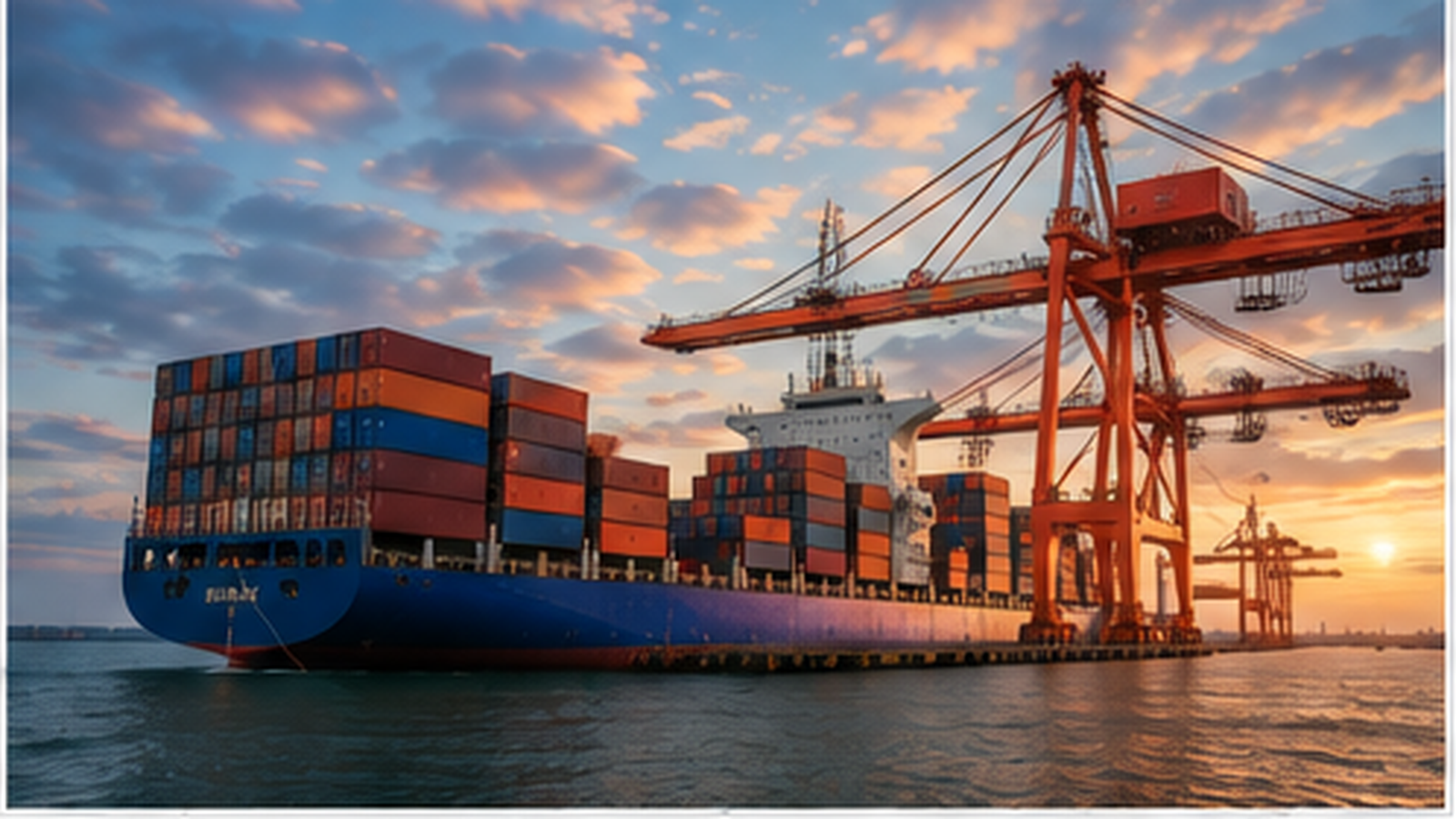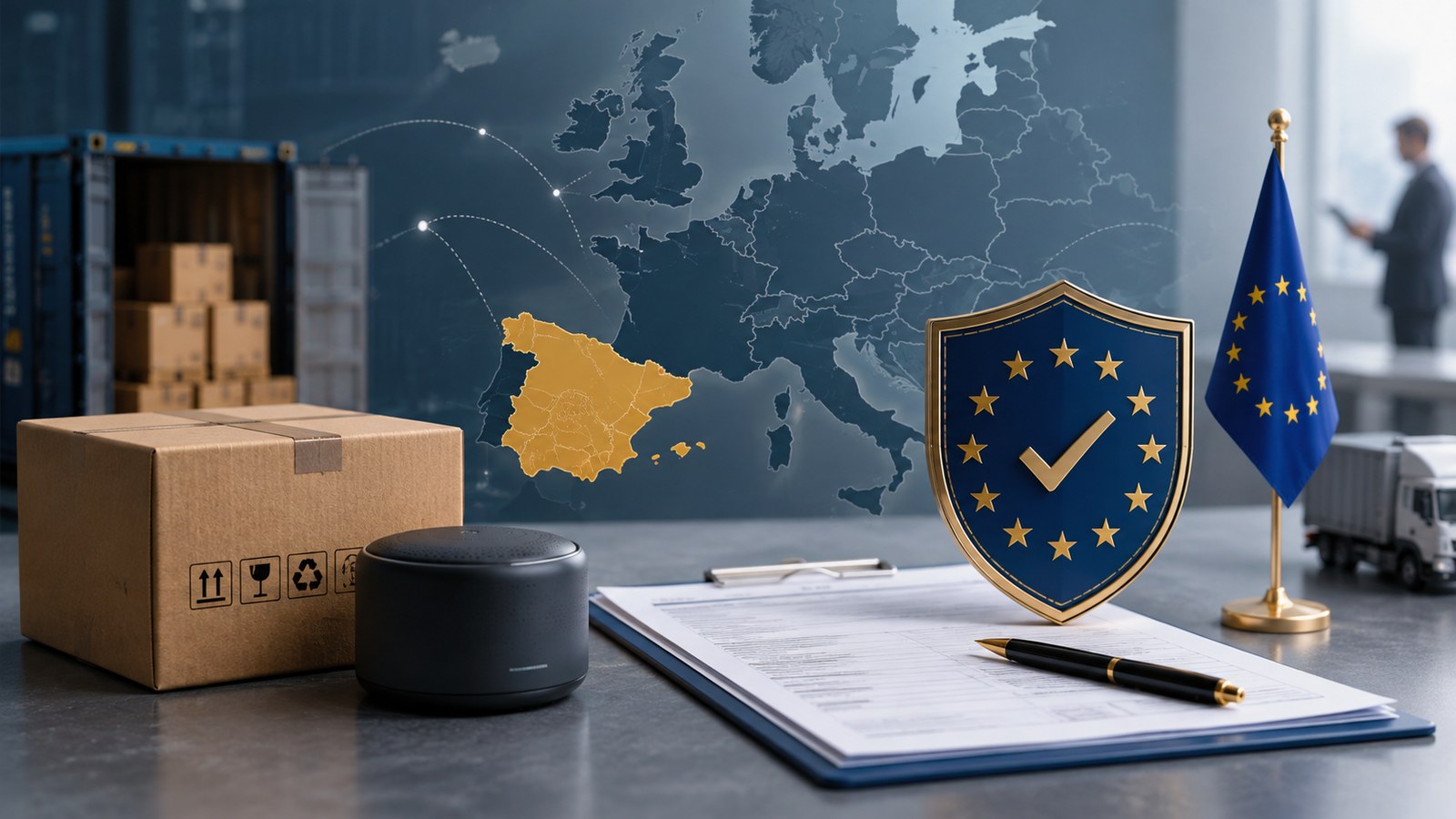

Importing goods into or exporting goods from China requires careful compliance with customs regulations, tariff classifications, and trade documentation requirements. For foreign small and medium enterprises entering the Chinese market, understanding the customs clearance process, tariff structure, and compliance obligations is essential to avoid costly delays, penalties, or seizure of goods. This guide provides a practical overview of import-export compliance under Chinese customs law.
Regulatory Framework for Import and Export
The Legal Rule
In China, treat import and export compliance as a question of customs regulations, tariffs, and trade legal essentials for foreign smes. Naming the city does not replace the papers, approvals or forum that actually control the outcome.
The Business Impact
In China, confirm the documents, authority and local filings for this import and export compliance matter before you pay, transfer or sue. The city name is not a substitute for the file. Apply that to the facts of Import and Export Compliance in China: Customs Regulations, Tariffs, and Trade Legal Essentials for Foreign SMEs.
Import and export compliance in China is governed by the Customs Law of the People's Republic of China, most recently amended in 2021, and the Foreign Trade Law of the People's Republic of China. The General Administration of Customs is the primary regulatory authority overseeing all import and export activities. Under the Customs Law, all goods imported into or exported from China must be declared to customs with accurate information regarding classification, value, and origin. The customs clearance process involves submission of the customs declaration form, commercial invoice, packing list, bill of lading or air waybill, and any required licenses or permits.
Tariff Classification and Valuation
Goods imported into China are classified according to the Harmonized Commodity Description and Coding System, with additional China-specific subheadings at the 8 to 10-digit level. Tariff rates vary by product category, with most-favored-nation rates ranging from 0% to 65%. The Customs Valuation Agreement, as implemented by China, provides that the customs value of imported goods shall be the transaction value, defined as the price actually paid or payable for the goods when sold for export to China. If the transaction value cannot be determined, customs applies alternative methods in a prescribed order.
Restricted and Prohibited Goods
Certain goods are subject to import or export restrictions and require specific licenses or permits. Restricted imports include certain chemicals, pharmaceuticals, food products, and agricultural goods that require import licenses from the relevant authorities. Dual-use items and technologies that could be used for both civilian and military purposes require export licenses from the Ministry of Commerce. Prohibited imports include goods that endanger national security or public interests, counterfeit products, and certain hazardous wastes. Foreign companies should verify whether their products fall under restricted categories before shipping to China.

- FAILURE MODES
- HS heading file
Compliance Best Practices for Foreign SMEs
To ensure import-export compliance, foreign SMEs should correctly classify their products under the HS Code system before shipping, maintain accurate records of all import-export transactions for at least three years, work with a licensed customs broker who is registered with the GAC, verify that their Chinese trading partners have proper import-export licenses, and establish internal compliance procedures covering classification, valuation, and record-keeping. Non-compliance can result in customs penalties, seizure of goods, and inclusion on the customs credit blacklist. Engaging a trade compliance lawyer in Anhui can help foreign businesses navigate the regulatory requirements efficiently.
Trade Law Application Notes
I document scope, assumptions, and decision rights at engagement start so foreign clients know what will be filed, who must approve, and when silence becomes a missed deadline.
I treat bilingual consistency as a risk control: chops, authority documents, and English summaries must tell the same commercial story.
- Mandate letter covering scope and outcomes
- Bilingual document control
- Deadline and limitation tracking
- Enforcement and settlement options in parallel
Operational Checklist for Foreign Readers
I prefer early written notices and clean evidence indexes over informal WeChat-only chains when the amount or regulatory exposure is material.
- Agreed work plan and remedy path
- Bilingual document control
- Deadline and limitation tracking
- Enforcement and settlement options in parallel
Risk Controls Before Escalation
I convert complex Chinese procedure into a dated checklist with owners for translation, notarization, and internal sign-off across time zones.
- Written engagement scope and remedy options
- Bilingual document control
- Deadline and limitation tracking
- Enforcement and settlement options in parallel
Implementation Detail 1
- Kickoff scope memo and remedy ladder
- Bilingual document control
- Deadline and limitation tracking
- Enforcement and settlement options in parallel
Implementation Detail 2
I treat collectability and interim protection as core design inputs, not afterthoughts, so counsel work supports outcomes that can be executed in China.
- Documented objectives and preferred remedies
- Bilingual document control
- Deadline and limitation tracking
- Enforcement and settlement options in parallel
Readers evaluating related options should also consider limitation periods, the cost of interim applications, and whether bilingual documentation will be required for overseas stakeholders. Early alignment on those points prevents restarting strategy after the first hearing date is already fixed.
Operational File for Counsel and Auditors

- Import and Export Compliance in China: Customs Regulations, Tariffs, and Trade Legal Essentials — process. Import and Export Compliance in China: Customs Regulations, Tariffs, and Trade Legal; Essentials — sequence; Classify with a ruling if needed; Build dutiable value; Screen licences and dual-use; Declare and pay in the window.
- Import and Export Compliance in China: Customs Regulations, Tariffs, and Trade Legal Essentials — process.
- Keep the audit pack
A useful first package includes commercial invoices, packing lists, bills of lading, customs declarations, quality inspection records and the sales contract with payment terms.
When audits or inquiries open, early counsel involvement expands room to resolve issues before criminal referral risk rises in severe cases.
Overseas headquarters need bilingual summaries of stage, amounts and decision deadlines so funds and authority can move inside Chinese clocks.
Discussion
Share experience or questions about this topic. This is a public discussion — not legal advice. Do not post confidential case details.
Have a question after reading? Leave it here, or Ask a Lawyer for a free initial intake.
Comments are moderated. China Legal Portal is a directory and information resource; no attorney–client relationship is formed by posting here.