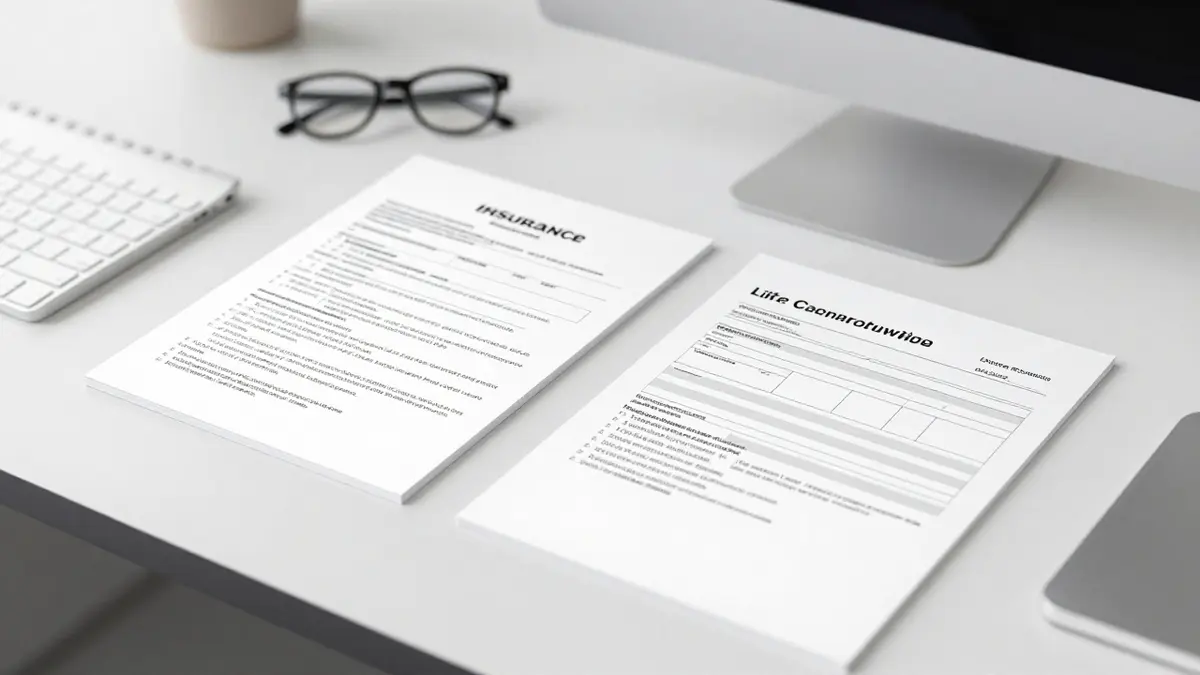

Insurance companies in China frequently deny claims on the basis that the policyholder's claim falls within a waiting period, also known as an elimination period or qualification period. While waiting periods are a standard feature of health and critical illness insurance, not all waiting period denials are legally valid. Policyholders who understand their rights under Chinese insurance law can successfully challenge improper denials.
The Legal Framework for Waiting Periods
Under Article 13 of the PRC Insurance Law, an insurance contract is formed when the policyholder makes an application and the insurer accepts it. The terms and conditions, including waiting period provisions, are binding once concluded. However, Article 17 requires insurers to clearly explain exemption clauses at the time of contract formation. The Supreme People's Court has confirmed in its judicial interpretations that waiting period clauses may constitute exemption clauses requiring clear explanation, particularly when the waiting period exceeds industry standards or excludes coverage for conditions manifesting during that period.
When Waiting Period Denials Can Be Challenged
Several circumstances support challenging waiting period denials. First, if the insurer did not provide clear written explanation of the waiting period and obtain the policyholder's acknowledgment, the clause may be unenforceable under Article 17. Second, if the waiting period is unreasonably long compared to industry standards, a court may find the clause unconscionable. Third, if the policyholder's condition had its onset before policy issuance but was diagnosed during the waiting period, the insurer must prove the condition was pre-existing to deny coverage. Fourth, if the insurer's agent made representations at sale that differed from written terms, the insurer may be estopped from enforcing the waiting period. The one-year limitation period for insurance contract disputes runs from the date the policyholder knew or should have known of the insurer's denial.
Practical Steps for Policyholders

- FAILURE MODES
- Waiting-period text and scope
Policyholders should request a written explanation citing the specific provision relied upon, gather medical records documenting symptom onset dates, review original policy documents and sales materials, file an internal appeal, and if unsuccessful, pursue mediation through the National Financial Regulatory Administration or litigation. Qihui Zeng at Hunan Hongyi Law Firm in Chenzhou has extensive experience handling insurance claim disputes, including waiting period denials and policy interpretation matters.
Trade Law Application Notes
I treat bilingual consistency as a risk control: chops, authority documents, and English summaries must tell the same commercial story.
I prefer early written notices and clean evidence indexes over informal WeChat-only chains when the amount or regulatory exposure is material.
- Written engagement scope and remedy options
- Bilingual document control
- Deadline and limitation tracking
- Enforcement and settlement options in parallel
Operational Checklist for Foreign Readers
I convert complex Chinese procedure into a dated checklist with owners for translation, notarization, and internal sign-off across time zones.
- Kickoff scope memo and remedy ladder
- Bilingual document control
- Deadline and limitation tracking
- Enforcement and settlement options in parallel
Risk Controls Before Escalation
I build the strategy around collection and interim leverage first—assets, licenses, receivables, and protective measures—so a paper win is not the only end state.
- Documented objectives and preferred remedies
- Bilingual document control
- Deadline and limitation tracking
- Enforcement and settlement options in parallel
Implementation Detail 1
- Mandate letter covering scope and outcomes
- Bilingual document control
- Deadline and limitation tracking
- Enforcement and settlement options in parallel
Implementation Detail 2
I document scope, assumptions, and decision rights at engagement start so foreign clients know what will be filed, who must approve, and when silence becomes a missed deadline.
- Agreed work plan and remedy path
- Bilingual document control
- Deadline and limitation tracking
- Enforcement and settlement options in parallel
Readers evaluating related options should also consider limitation periods, the cost of interim applications, and whether bilingual documentation will be required for overseas stakeholders. Early alignment on those points prevents restarting strategy after the first hearing date is already fixed.
Classification, Valuation and Origin Risk
Customs issues often begin as classification, valuation or origin questions that cascade into duties, penalties and delayed shipments. Contract allocation of those risks should match operational reality.
Invoice, goods and fund-flow consistency is both a customs and tax theme. Drop-shipping and agent models that look artificial on paper attract examination.
Bonded logistics and multi-entity structures need documentation packages that third-party data will corroborate—not only internal narratives.

- Insurance Waiting Period Denials in China: When Courts Rule in Favor of Policyholders — process. Insurance Waiting Period Denials in China: When Courts Rule in Favor of Policyholders —; sequence; Trade Law Application Notes; Check explanation of the exclusion; Fix the start date of the wait; Gather medical chronology.
- Insurance Waiting Period Denials in China: When Courts Rule in Favor of Policyholders — process.
- Demand payment or sue
Discussion
Share experience or questions about this topic. This is a public discussion — not legal advice. Do not post confidential case details.
Have a question after reading? Leave it here, or Ask a Lawyer for a free initial intake.
Comments are moderated. China Legal Portal is a directory and information resource; no attorney–client relationship is formed by posting here.