
The Scope of International Trade Legal Services in China: A Comprehensive Overview
The Legal Rule
In China, treat the scope of international trade legal services as a question of a comprehensive overview. Naming the city does not replace the papers, approvals or forum that actually control the outcome.
The Business Impact
In China, confirm the documents, authority and local filings for this the scope of international trade legal services matter before you pay, transfer or sue. The city name is not a substitute for the file.
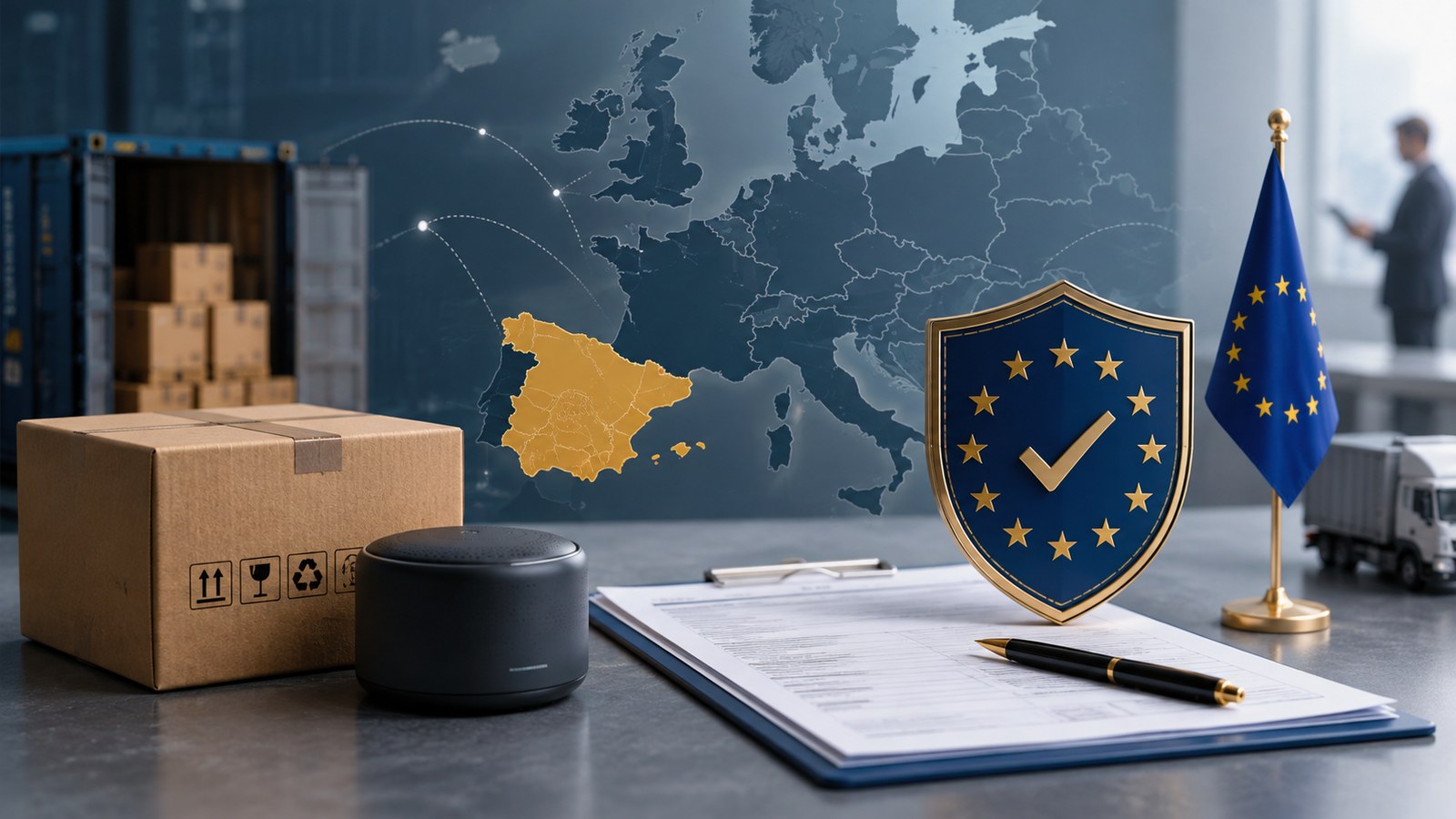
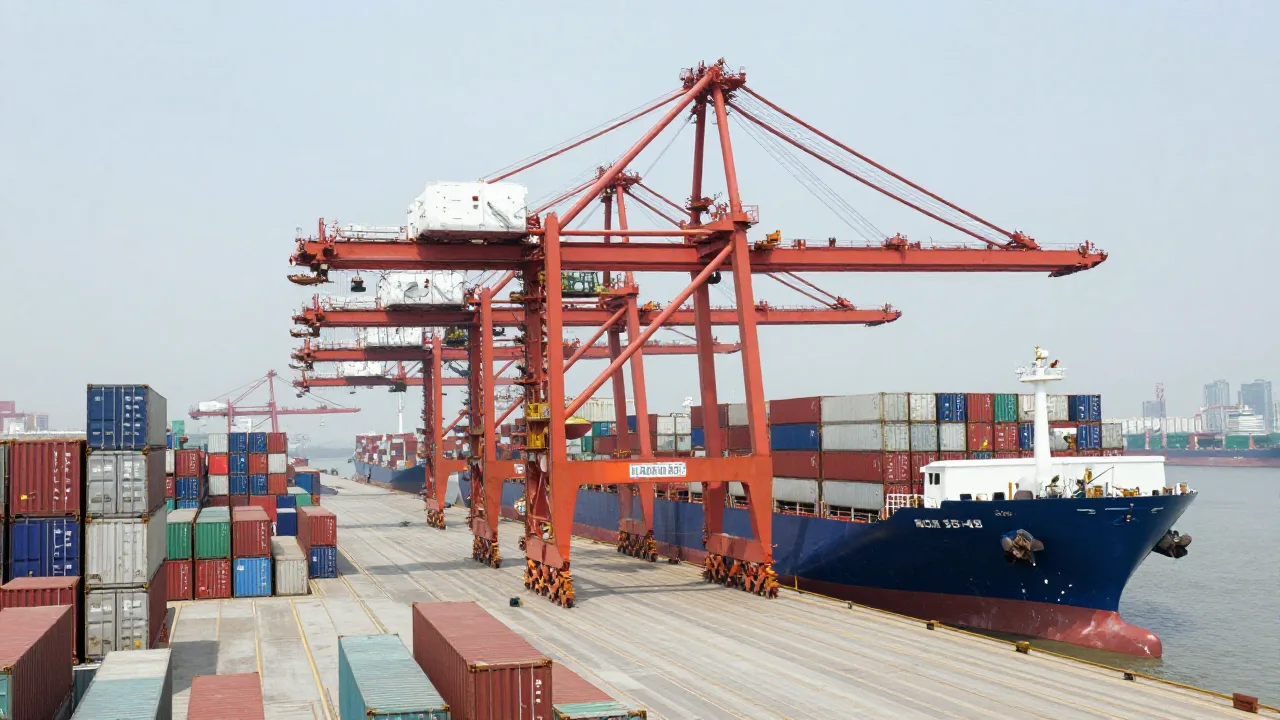
International trade law in China encompasses a broad and complex range of legal services that help businesses navigate the regulatory landscape governing cross-border commerce. As China remains the world's largest trading nation by volume, the demand for specialized legal advice in this field continues to grow. For foreign companies operating in China or trading with Chinese partners, understanding the full scope of international trade legal services is essential for managing risk, ensuring compliance, and resolving disputes effectively.
Trade Compliance and Customs Advisory
A core component of international trade practice involves advising clients on compliance with China's import and export regulations. China's customs regime is detailed and frequently updated, requiring ongoing monitoring to ensure compliance. Legal counsel assists clients with tariff classification, customs valuation, rules of origin determination, and documentation requirements. Errors in any of these areas can result in delays, penalties, or seizure of goods.
Customs advisory services also extend to preferential trade agreements. China has concluded free trade agreements with numerous countries and regions, including the ASEAN bloc, Australia, South Korea, Switzerland, and others. Lawyers help clients structure their supply chains to take advantage of reduced tariff rates under these agreements, ensuring that the applicable rules of origin — which determine whether goods qualify for preferential treatment — are satisfied.
Another important area is customs audit defense. China Customs conducts regular audits of importers and exporters, reviewing documentation, valuation methods, and classification decisions. Legal counsel assists clients in responding to audit inquiries, negotiating resolution of identified issues, and appealing adverse determinations.
Trade Remedies and Dispute Resolution
China is both a target and an initiator of trade remedy measures, including anti-dumping duties, countervailing duties, and safeguard measures. Lawyers in this field represent Chinese exporters facing anti-dumping investigations abroad and domestic industries seeking protection from unfairly traded imports. The work involves economic analysis, preparation of detailed questionnaires, participation in on-site verification visits, and advocacy before investigating authorities in China and foreign jurisdictions.

- FAILURE MODES
- HS heading file
WTO dispute resolution is another specialized area. China has been an active participant in the WTO dispute settlement system, both as a complainant and respondent. Lawyers advising on WTO matters must understand the complex interplay between China's domestic trade laws and its international obligations under WTO agreements, including the General Agreement on Tariffs and Trade, the Agreement on Technical Barriers to Trade, and the Agreement on Trade-Related Aspects of Intellectual Property Rights.
Export Controls and Sanctions
China's export control regime has undergone significant reform in recent years, culminating in the promulgation of the Export Control Law in 2020. This law establishes a comprehensive framework for controlling the export of dual-use items, military products, and other controlled goods and technologies. Legal counsel assists clients in determining whether their products or technologies are subject to export controls, applying for export licenses, and developing internal compliance programs to ensure adherence to regulatory requirements.
The intersection of Chinese export controls with sanctions regimes imposed by other countries creates additional complexity. Multinational companies must navigate potentially conflicting requirements between Chinese law and the sanctions laws of other jurisdictions where they operate. Chinese international trade lawyers help clients develop compliance strategies that satisfy all applicable regulatory frameworks.
Cross-Border Investment and Trade Structuring
International trade lawyers also advise on the legal aspects of cross-border investment and trade transactions. This includes structuring international sales contracts to comply with Chinese law and international conventions such as the CISG, negotiating distribution and agency agreements with Chinese partners, advising on letters of credit and other trade finance instruments, and conducting due diligence on potential trading partners and investment targets in China.
The Belt and Road Initiative has created new opportunities and challenges for international trade practitioners. Lawyers advise clients on the legal frameworks applicable to infrastructure projects, investment treaties, and dispute resolution mechanisms in Belt and Road countries. The diversity of legal systems along Belt and Road routes requires familiarity with both civil law and common law traditions, as well as Islamic finance principles in certain markets.
Intellectual Property in International Trade
Intellectual property enforcement at the border is a growing area of international trade practice. China Customs maintains a records system for intellectual property rights, allowing rights holders to register their trademarks, patents, and copyrights with customs authorities. When customs detects goods that may infringe registered rights, it can detain the shipment and notify the rights holder. Lawyers assist clients in registering their IP rights with customs, monitoring customs detentions, and pursuing enforcement actions against infringing imports or exports.
Why Specialized Counsel Matters
The breadth and technical complexity of international trade law in China makes specialized legal counsel essential for businesses engaged in cross-border commerce. A lawyer who focuses exclusively on international trade will have the depth of knowledge needed to navigate customs regulations, trade remedies, export controls, and trade finance — areas where general corporate counsel may lack the specialized expertise required. For businesses serious about the Chinese market, investing in qualified international trade legal counsel is not an expense but a strategic investment in risk management and competitive advantage.
Trade Law Application Notes
Enforcement feasibility shapes my advice from day one: attachable assets, license exposure, receivables, and interim relief sit beside the merits analysis.
I document scope, assumptions, and decision rights at engagement start so foreign clients know what will be filed, who must approve, and when silence becomes a missed deadline.
- Kickoff scope memo and remedy ladder
- Bilingual document control
- Deadline and limitation tracking
- Enforcement and settlement options in parallel
Operational Checklist for Foreign Readers

- The Scope of International Trade Legal Services in China: A Comprehensive Overview — process. The Scope of International Trade Legal Services in China: A Comprehensive Overview —; sequence; Classify with a ruling if needed; Build dutiable value; Screen licences and dual-use; Declare and pay in the window.
- The Scope of International Trade Legal Services in China: A Comprehensive Overview — process.
- Keep the audit pack
I treat bilingual consistency as a risk control: chops, authority documents, and English summaries must tell the same commercial story.
- Documented objectives and preferred remedies
- Bilingual document control
- Deadline and limitation tracking
- Enforcement and settlement options in parallel
Risk Controls Before Escalation
I prefer early written notices and clean evidence indexes over informal WeChat-only chains when the amount or regulatory exposure is material.
- Mandate letter covering scope and outcomes
- Bilingual document control
- Deadline and limitation tracking
- Enforcement and settlement options in parallel
Discussion
Share experience or questions about this topic. This is a public discussion — not legal advice. Do not post confidential case details.
Have a question after reading? Leave it here, or Ask a Lawyer for a free initial intake.
Comments are moderated. China Legal Portal is a directory and information resource; no attorney–client relationship is formed by posting here.