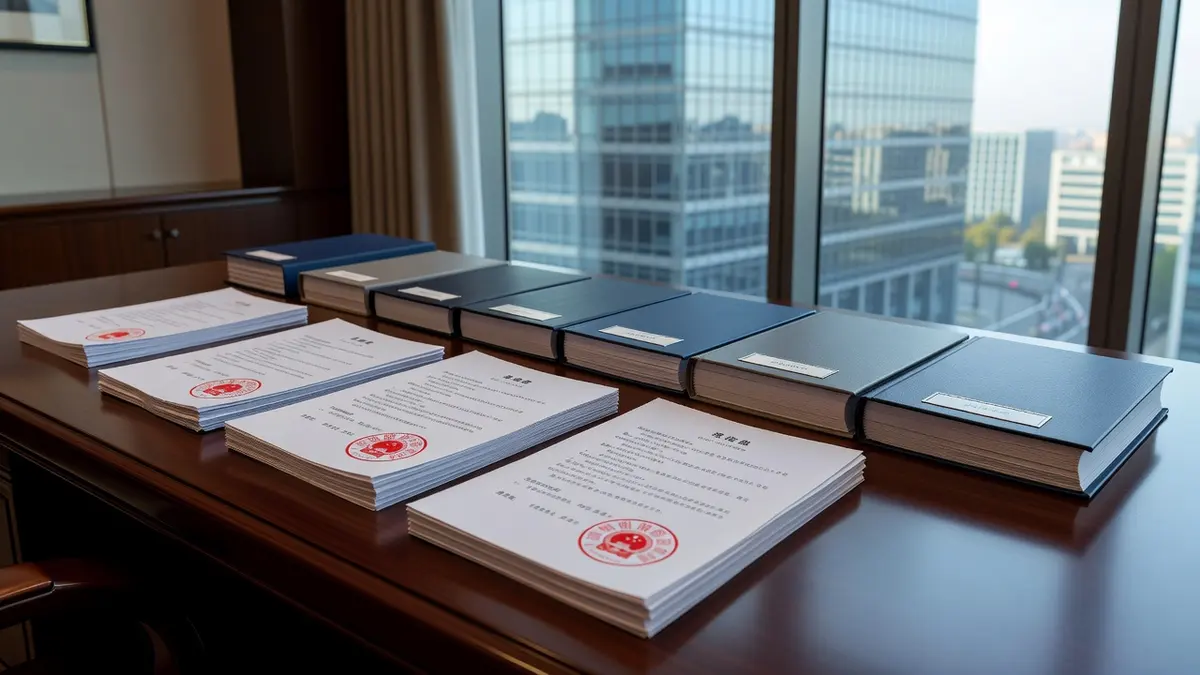

Foreign businesses establishing operations in Zhangjiakou, the host city of the 2022 Winter Olympics and a rapidly developing commercial hub, must navigate China's commercial leasing framework under the Civil Code. Lease negotiations, deposit management, and compliance with local property regulations present distinct challenges for foreign-invested enterprises unfamiliar with Chinese leasing practice.
Lease Contract Essentials
The Legal Rule
In Zhangjiakou, treat commercial leasing for foreign businesses as a question of lease contracts, deposit recovery, and property compliance. Naming the city does not replace the papers, approvals or forum that actually control the outcome.
The Business Impact
In Zhangjiakou, confirm the documents, authority and local filings for this commercial leasing for foreign businesses matter before you pay, transfer or sue. The city name is not a substitute for the file.
Commercial leases in China are governed by Chapter 13 of the Civil Code. Essential terms include identification of the parties, premises description, lease term, rent amount and payment schedule, permitted use, maintenance responsibilities, and default remedies. Leases exceeding six months require written form. Foreign tenants should execute bilingual lease agreements with the Chinese-language version prevailing.
Security deposits typically equal two to three months' rent. Civil Code Article 713 provides that lessors must return deposits upon lease expiry, less deductions for damages beyond normal wear and tear. Zhangjiakou courts require landlords to provide itemized damage assessments supported by invoices.
Renovation and Compliance
Building modifications require landlord consent and local fire department approval under the Fire Safety Law. Unauthorized modifications may result in administrative penalties and lease termination. Zhangjiakou's post-Olympics commercial property market offers rent subsidies of up to 50 percent for qualifying tenants in the High-tech Industrial Development Zone.
Foreign businesses leasing commercial space in Zhangjiakou should engage local legal counsel to review lease terms, negotiate protections, and ensure compliance with local property regulations.
Real Property Application Notes
I treat bilingual consistency as a risk control: chops, authority documents, and English summaries must tell the same commercial story.
I prefer early written notices and clean evidence indexes over informal WeChat-only chains when the amount or regulatory exposure is material.
- Written engagement scope and remedy options
- Bilingual document control
- Deadline and limitation tracking
- Enforcement and settlement options in parallel

- FAILURE MODES
- Use and title
- Permitted use on the premises
Operational Checklist for Foreign Readers
I convert complex Chinese procedure into a dated checklist with owners for translation, notarization, and internal sign-off across time zones.
- Kickoff scope memo and remedy ladder
- Bilingual document control
- Deadline and limitation tracking
- Enforcement and settlement options in parallel
Risk Controls Before Escalation
I build the strategy around collection and interim leverage first—assets, licenses, receivables, and protective measures—so a paper win is not the only end state.
- Documented objectives and preferred remedies
- Bilingual document control
- Deadline and limitation tracking
- Enforcement and settlement options in parallel
Implementation Detail 1
- Mandate letter covering scope and outcomes
- Bilingual document control
- Deadline and limitation tracking
- Enforcement and settlement options in parallel
Implementation Detail 2
I document scope, assumptions, and decision rights at engagement start so foreign clients know what will be filed, who must approve, and when silence becomes a missed deadline.
- Agreed work plan and remedy path
- Bilingual document control
- Deadline and limitation tracking
- Enforcement and settlement options in parallel
Implementation Detail 3
Enforcement feasibility shapes my advice from day one: attachable assets, license exposure, receivables, and interim relief sit beside the merits analysis.
- Written engagement scope and remedy options
- Bilingual document control
- Deadline and limitation tracking
- Enforcement and settlement options in parallel
Readers evaluating related options should also consider limitation periods, the cost of interim applications, and whether bilingual documentation will be required for overseas stakeholders. Early alignment on those points prevents restarting strategy after the first hearing date is already fixed.
Turning General Guidance into a Case Plan

- Commercial Leasing — process.
- Check title and use
- Draft deposit and return
- Set break and default
- Diary restoration
Statute summaries help orientation, but outcomes turn on forum, evidence quality, deadlines and counterparties’ incentives. Convert this article into a written plan: interim steps, filing options, settlement windows and document gaps.
Cross-border matters need a single chronology shared with headquarters so decisions use the same facts. Label assumptions explicitly.
Ask advisers for staged scope and fee clarity—what is included now, what depends on third parties, and what would trigger a scope change.
Discussion
Share experience or questions about this topic. This is a public discussion — not legal advice. Do not post confidential case details.
Have a question after reading? Leave it here, or Ask a Lawyer for a free initial intake.
Comments are moderated. China Legal Portal is a directory and information resource; no attorney–client relationship is formed by posting here.