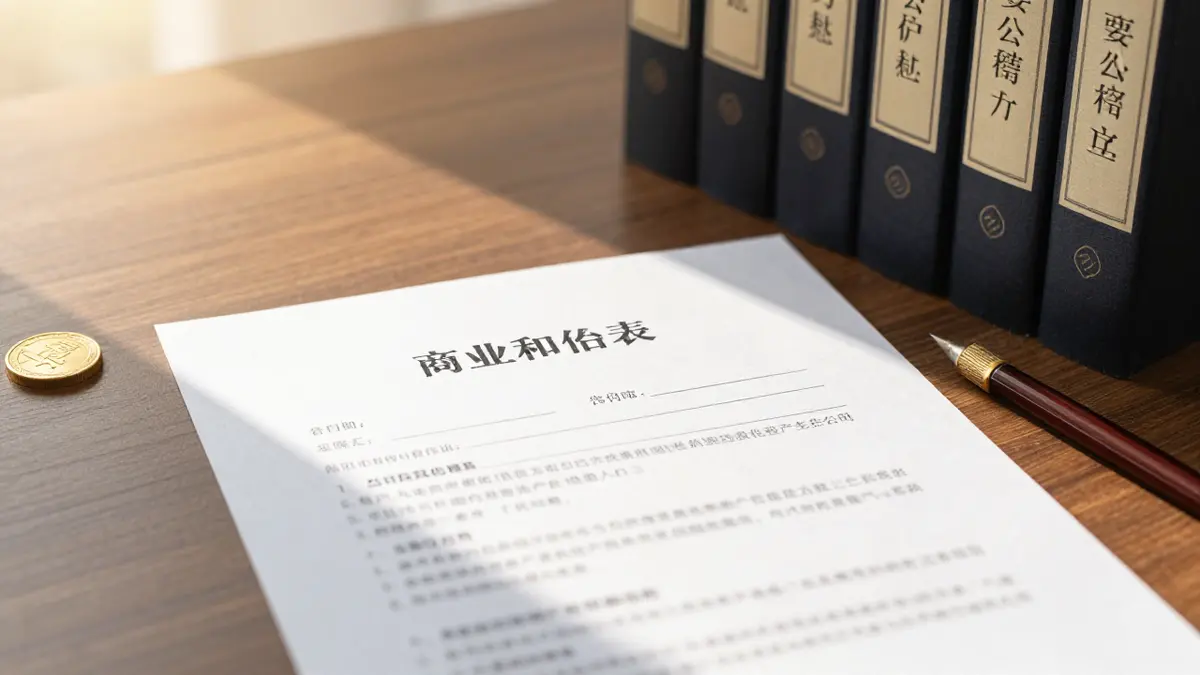

Commercial leasing in China involves a complex legal framework that differs significantly from leasing practices in many Western countries. For foreign businesses seeking office space, retail premises, or industrial facilities in China, understanding the legal requirements, regulatory obligations, and practical considerations is essential for a successful and dispute-free leasing experience. Yang Dongfang, a lawyer at Tianjin Dongheng Law Firm in the Wuqing District of Tianjin with expertise in real estate and property law, provides this guide for foreign companies entering into commercial leases in China.
Types of Commercial Leases in China
Chinese law distinguishes between several types of property rights that affect commercial leasing. The most common form is a lease of building use rights from the owner of a property who holds a valid real estate title certificate, known as fang chan zheng. Under the PRC Civil Code, the maximum lease term for commercial property is 20 years. Leases exceeding 20 years are void for the portion exceeding that term, although the parties may renew the lease upon expiry. Subleasing is permitted only if the original lease agreement expressly allows it or the landlord consents. Foreign companies may also encounter leases of state-owned land use rights, where a developer leases land from the government and then subleases buildings constructed on that land to tenants. Due diligence on the landlords title is essential to verify that the landlord has the legal right to lease the property, and that the property use complies with the zoning and planning designations under Chinese law.
Key Clauses in Commercial Leases

- FAILURE MODES
- Use and title
- Permitted use on the premises
Several clauses in a commercial lease agreement deserve particular attention from foreign tenants. The use clause specifies the permitted use of the leased premises and should be drafted broadly enough to cover the tenants current and reasonably anticipated business activities. The rent clause should specify the amount in RMB, payment schedule, and any rent review mechanisms. Rent is typically paid quarterly or annually in advance. The deposit, usually equivalent to two to three months rent, is held by the landlord as security for performance of the tenants obligations. The fit-out clause addresses the tenants right to make alterations and improvements to the premises, which in China typically requires landlord approval and may require government permits for structural changes. The repair and maintenance clause should clearly allocate responsibility for structural repairs, typically the landlords obligation, and interior maintenance, typically the tenants responsibility. Attorney Yang advises foreign tenants to include a break clause allowing early termination upon notice, as business needs may change during a long lease term.
Registration of Commercial Leases
Unlike residential leases, commercial leases in China must be registered with the local housing and construction authorities within 30 days of execution. The registration process involves submitting the signed lease agreement, the landlords title certificate, and both parties identification documents. While the lease is valid between the parties even without registration, registration provides important protections. A registered lease is enforceable against third parties, including subsequent purchasers of the property. Registration also serves as public notice of the tenants leasehold interest, preventing the landlord from granting competing leases to other tenants. The registration fees are nominal. The tax implications of commercial leasing are significant, with the landlord typically responsible for VAT, property tax, and urban land use tax, though in practice these taxes are often passed through to the tenant in the form of gross rent. Foreign tenants should also be aware that lease registration is a prerequisite for obtaining a business license at the leased address.
Dispute Resolution in Commercial Leases
Disputes in commercial leasing typically arise from rent arrears, property damage, use restrictions, or early termination. Under Chinese law, the parties may agree on dispute resolution mechanisms in the lease agreement. Litigation in Chinese courts is available for all lease disputes, with jurisdiction typically in the court where the property is located. Arbitration is also available if the lease agreement contains an arbitration clause. Foreign tenants should consider including a dispute resolution clause specifying arbitration before CIETAC or another reputable institution, particularly for high-value leases where cross-border enforcement may be relevant. In the event of a dispute, the landlord may apply to the court for an order evicting the tenant, but self-help eviction by changing locks or cutting utilities is illegal under Chinese law. Attorney Yang advises foreign tenants to document all communications with the landlord in writing and to maintain copies of all rent payment receipts and maintenance records to protect their interests in case of future disputes.
Yang Dongfang holds a Master of Laws degree from Northwest University of Politics and Law and practices at Tianjin Dongheng Law Firm in the Wuqing District of Tianjin, advising domestic and international clients on commercial leasing, real property law, and related dispute resolution.
This article is for informational purposes only. Businesses should consult qualified legal professionals for advice tailored to their specific circumstances.
Real Property Application Notes
I prefer early written notices and clean evidence indexes over informal WeChat-only chains when the amount or regulatory exposure is material.
I convert complex Chinese procedure into a dated checklist with owners for translation, notarization, and internal sign-off across time zones.
- Documented objectives and preferred remedies
- Bilingual document control
- Deadline and limitation tracking
- Enforcement and settlement options in parallel
Operational Checklist for Foreign Readers
My case plan tests enforceability early—asset location, license pressure points, receivable chains, and interim tools—before heavy spend on pure merits briefing.

- Commercial Leasing in China — process.
- Check title and use
- Draft deposit and return
- Set break and default
- Diary restoration
- Mandate letter covering scope and outcomes
- Bilingual document control
- Deadline and limitation tracking
- Enforcement and settlement options in parallel
Risk Controls Before Escalation
I align forum and pleading choices with what can actually be enforced: assets, licenses, cash flows, and available interim measures under PRC procedure.
I document scope, assumptions, and decision rights at engagement start so foreign clients know what will be filed, who must approve, and when silence becomes a missed deadline.
- Agreed work plan and remedy path
- Bilingual document control
- Deadline and limitation tracking
- Enforcement and settlement options in parallel
Discussion
Share experience or questions about this topic. This is a public discussion — not legal advice. Do not post confidential case details.
Have a question after reading? Leave it here, or Ask a Lawyer for a free initial intake.
Comments are moderated. China Legal Portal is a directory and information resource; no attorney–client relationship is formed by posting here.