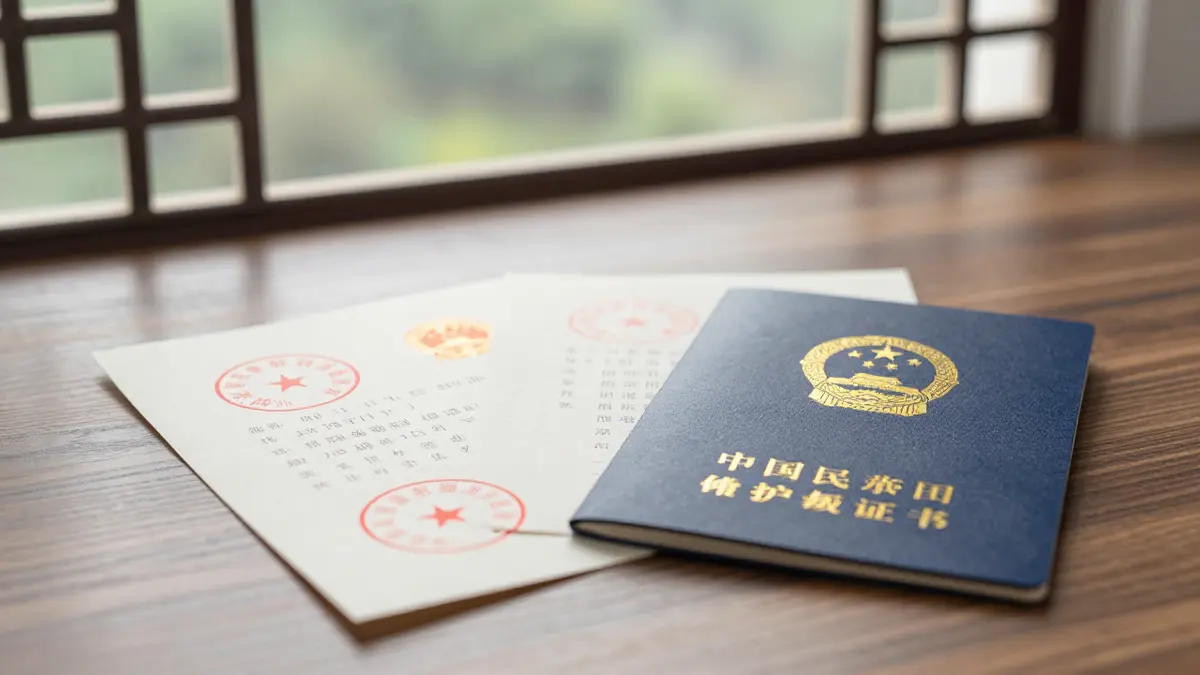

Land use rights disputes involving ancestral graves represent a uniquely sensitive category of property litigation in China. When land acquisition or development projects encounter ancestral burial sites, the legal rights of the affected families must be balanced against the public interest in development. Under Chinese property law, ancestral grave disputes raise complex questions about land use rights, succession rights, cultural heritage protection, and administrative procedure. Understanding how these disputes are resolved is essential for property owners facing expropriation and for developers planning projects in areas with established burial grounds.
Legal Framework for Land Use Rights
Under the PRC Property Rights Law, land in China is owned either by the state or by rural collective economic organizations. Individuals and entities may acquire land use rights, which grant the right to possess, use, and benefit from the land for a specified period, but not the right of outright ownership. For rural land, collective ownership means that individual families hold rights to build residential houses on collectively-owned land. Ancestral graves are typically situated on collectively-owned rural land, and the legal rights of the families maintaining those graves arise from customary usage rights and cultural heritage protections rather than formal property title. The Property Rights Law, together with the State Council's Regulations on the Expropriation and Compensation of Houses on State-owned Land and the Land Administration Law, provides the basic legal framework for resolving disputes when development projects require the relocation of ancestral graves.
Expropriation Regulations and Compensation for Grave Relocation
When a development project requires the relocation of ancestral graves, the expropriating authority must follow specific procedures. Under the Land Administration Law, the government must publish an expropriation notice, conduct a survey of affected properties and graves, publish a compensation plan, and hold a hearing if affected parties object. For ancestral grave relocation, compensation typically covers the costs of exhumation, relocation, and reburial, as well as compensation for the loss of the burial site itself. The specific compensation amounts are determined by local implementation rules, which vary significantly between provinces and municipalities. In Hubei Province, compensation standards for grave relocation are set by provincial regulations and typically range from several thousand to tens of thousands of RMB per grave, depending on the type of grave structure and the complexity of relocation.

- FAILURE MODES
- Registered use right
Dispute Resolution Process
Families who object to the expropriation of land containing ancestral graves have multiple legal remedies. They may file written objections during the public comment period following the expropriation notice, request a hearing to present their position, apply for administrative reconsideration of the expropriation decision within 60 days, or file an administrative lawsuit in the People's Court within six months. In practice, courts have shown willingness to review the adequacy of compensation for grave relocation and whether the expropriating authority followed proper procedures. Wang Yuanyang in Xiangyang has extensive experience representing property owners in land acquisition disputes, including cases involving ancestral grave relocation, and provides guidance on negotiating with expropriation authorities and pursuing administrative and judicial remedies when negotiations are unsuccessful.
Real Property Application Notes
I document scope, assumptions, and decision rights at engagement start so foreign clients know what will be filed, who must approve, and when silence becomes a missed deadline.
I treat bilingual consistency as a risk control: chops, authority documents, and English summaries must tell the same commercial story.
- Mandate letter covering scope and outcomes
- Bilingual document control
- Deadline and limitation tracking
- Enforcement and settlement options in parallel
Operational Checklist for Foreign Readers
I prefer early written notices and clean evidence indexes over informal WeChat-only chains when the amount or regulatory exposure is material.
- Agreed work plan and remedy path
- Bilingual document control
- Deadline and limitation tracking
- Enforcement and settlement options in parallel
Risk Controls Before Escalation
I convert complex Chinese procedure into a dated checklist with owners for translation, notarization, and internal sign-off across time zones.
- Written engagement scope and remedy options
- Bilingual document control
- Deadline and limitation tracking
- Enforcement and settlement options in parallel
Implementation Detail 1
- Kickoff scope memo and remedy ladder
- Bilingual document control
- Deadline and limitation tracking
- Enforcement and settlement options in parallel
Implementation Detail 2
My case plan tests enforceability early—asset location, license pressure points, receivable chains, and interim tools—before heavy spend on pure merits briefing.
- Documented objectives and preferred remedies
- Bilingual document control
- Deadline and limitation tracking
- Enforcement and settlement options in parallel
Forum Selection and Interim Measures

- Land Use Rights and Ancestral Grave Disputes in China — process.
- Identify grave claimants
- Follow relocation procedure
- Offer statutory/agreed compensation
- Do not self-help
A strong paper claim is incomplete if it cannot be enforced where assets and decision-makers sit. Forum clauses, arbitration seats and court jurisdiction should be stress-tested against the enforcement map at the outset.
Property preservation and other interim measures can matter more than a distant final judgment. Eligibility, bond requirements and timing should appear in the first case plan.
Multi-contract systems—supply, guarantee, side letters and platform terms—must be read together. Winning on one document while losing the framework is a recurring failure mode.
Discussion
Share experience or questions about this topic. This is a public discussion — not legal advice. Do not post confidential case details.
Have a question after reading? Leave it here, or Ask a Lawyer for a free initial intake.
Comments are moderated. China Legal Portal is a directory and information resource; no attorney–client relationship is formed by posting here.