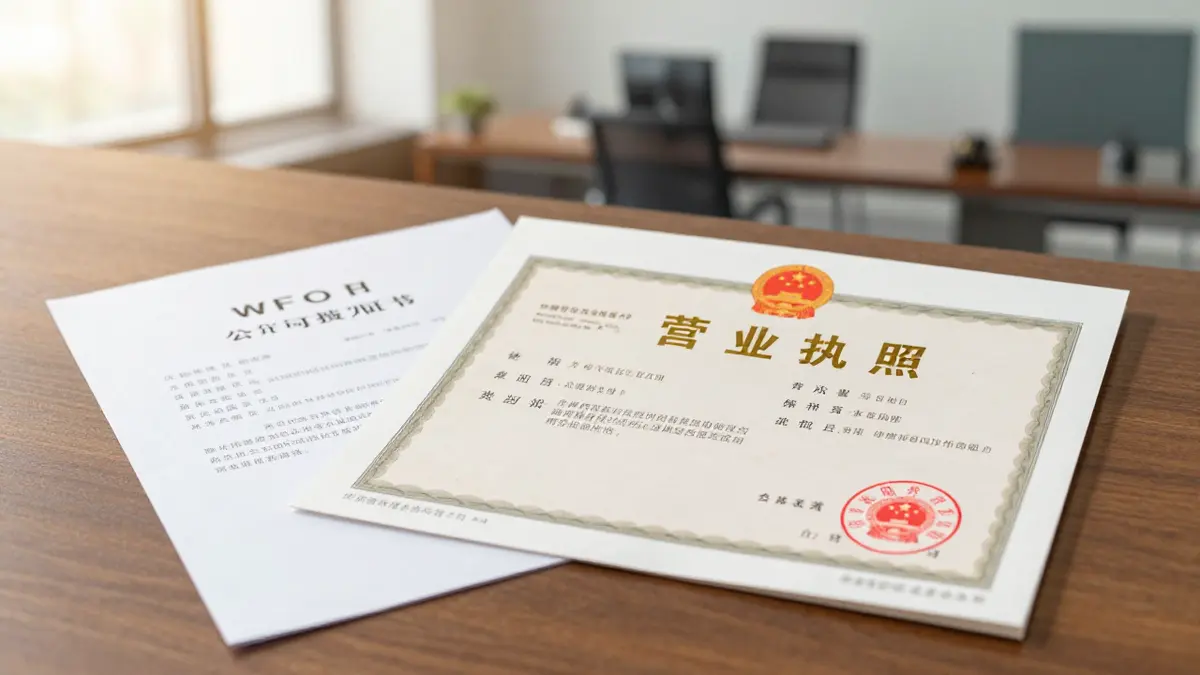

China remains one of the worlds most attractive destinations for foreign direct investment, offering a vast consumer market, sophisticated supply chains, and a growing innovation ecosystem. However, navigating the regulatory framework for foreign investment requires careful planning and expert legal guidance. Konghua Zhang, a lawyer based in the Yubei District of Chongqing with specialized expertise in foreign investment law, provides this comprehensive guide for foreign companies considering investment in China.
The Foreign Investment Law Framework
Chinas foreign investment regime underwent a fundamental transformation with the enactment of the Foreign Investment Law in 2020. The law replaced the previous trio of laws governing wholly foreign-owned enterprises, equity joint ventures, and cooperative joint ventures, creating a unified legal framework for all foreign-invested enterprises. The cornerstone of the new framework is the principle of national treatment, which provides that foreign-invested enterprises shall receive treatment no less favorable than domestic enterprises during establishment, operation, and expansion. The law also established a negative list system, which specifies the industries in which foreign investment is restricted or prohibited. Industries outside the negative list are open to foreign investment on the same terms as domestic investment. The negative list has been progressively shortened, with the 2024 edition containing only 31 restricted items, down from over 100 in earlier editions, reflecting Chinas ongoing commitment to market opening.
Investment Vehicles for Foreign Companies
Foreign companies may choose from several legal structures for their China operations. The wholly foreign-owned enterprise is the most common structure, allowing the foreign investor full control over operations, management, and profits. WFOEs are suitable for manufacturing, services, trading, and consulting businesses. The equity joint venture involves a partnership between a foreign investor and a Chinese partner, with profits and management shared in proportion to equity contributions. Joint ventures are common in regulated industries or where local partnership provides strategic advantages. The representative office is a simpler structure limited to non-profit activities such as market research, liaison, and brand promotion, but it cannot engage in direct revenue-generating activities. The foreign-invested partnership is a newer structure suitable for fund management and professional services. The choice of vehicle depends on the investors business objectives, industry, and long-term strategy in China.

- FI information report, articles, capital, and licences — same path as a WFOE unless JV.
- Foreign Investment Access.
- FAILURE MODES
- WFOE / JV / partnership
- FIL report
Establishment Procedures and Approvals
The establishment of a foreign-invested enterprise in China has been significantly streamlined under the Foreign Investment Law. For industries outside the negative list, the establishment process follows the same procedures as domestic companies, requiring registration with the market supervision administration for a business license, tax registration, social insurance registration, and other standard formalities. For industries on the restricted list, the investor must obtain approval from the Ministry of Commerce or its local counterpart before registration. The approval process involves a review of the investment proposal, the investors qualifications, and compliance with industry-specific requirements. The entire establishment process typically takes four to eight weeks for standard WFOEs and longer for projects requiring approval. Attorney Zhang advises foreign investors to engage Chinese legal counsel early in the planning process to conduct due diligence on regulatory requirements, identify potential obstacles, and structure the investment efficiently.
Capital Contributions and Financing
The Foreign Investment Law eliminated minimum capital requirements for most industries, allowing investors to determine the registered capital based on business needs. However, the registered capital must be sufficient to support the enterprises operations, and insufficient capitalization may expose the investor to personal liability. Capital contributions may be made in cash, in kind through equipment or technology, or through intellectual property rights. The capital must be contributed within the timeframe specified in the companys articles of association, typically within two to five years for WFOEs. Foreign exchange controls under the State Administration of Foreign Exchange govern the conversion and repatriation of capital and profits. The foreign investor must register the investment with SAFE and open a capital account for the injection of funds. Profits may be repatriated after payment of taxes and allocation to statutory reserves, subject to documentation requirements. Attorney Zhang advises investors to plan their capital structure carefully to optimize tax efficiency and comply with foreign exchange regulations.
Konghua Zhang practices law in the Yubei District of Chongqing, advising international clients on foreign direct investment, company formation, joint ventures, and regulatory compliance. He emphasizes that thorough due diligence and strategic planning are essential for successful market entry and long-term operations in China.
This article is for informational purposes only. Investors should consult qualified legal professionals for advice tailored to their specific circumstances.
Company Formation Application Notes
I prefer early written notices and clean evidence indexes over informal WeChat-only chains when the amount or regulatory exposure is material.
I convert complex Chinese procedure into a dated checklist with owners for translation, notarization, and internal sign-off across time zones.
- Documented objectives and preferred remedies
- Bilingual document control
- Deadline and limitation tracking
- Enforcement and settlement options in parallel
Operational Checklist for Foreign Readers
I align forum and pleading choices with what can actually be enforced: assets, licenses, cash flows, and available interim measures under PRC procedure.
- Mandate letter covering scope and outcomes
- Bilingual document control
- Deadline and limitation tracking
- Enforcement and settlement options in parallel
Risk Controls Before Escalation
Strategy starts with what can be secured or collected: counterpart assets, licenses, receivables, and interim measures, then builds merits work around that path.
I document scope, assumptions, and decision rights at engagement start so foreign clients know what will be filed, who must approve, and when silence becomes a missed deadline.
- Agreed work plan and remedy path
- Bilingual document control
- Deadline and limitation tracking
- Enforcement and settlement options in parallel
Foreign Investment Structure Versus Operating Reality
The Legal Rule
In China, treat foreign investment as a question of a guide for international companies. Naming the city does not replace the papers, approvals or forum that actually control the outcome.
The Business Impact
In China, confirm the documents, authority and local filings for this foreign investment matter before you pay, transfer or sue. The city name is not a substitute for the file.
Licensing and industry access must match the operating company, not only an elegant offshore holding chart. Cosmetic structures that ignore permits create later crises.

- Foreign Investment Access — process. Foreign Investment Access — sequence; Choose form; List-check; Legalise documents; File SAMR/FI; Inject capital.
- Foreign Investment Access — process.
- Add industry licences
Onshore/offshore funding paths, SAFE-related formalities where relevant, and intercompany service agreements should be consistent with tax and customs positions.
When relationships deteriorate, legal holds on email and messaging reduce narrative rewriting by the more organised party.
Discussion
Share experience or questions about this topic. This is a public discussion — not legal advice. Do not post confidential case details.
Have a question after reading? Leave it here, or Ask a Lawyer for a free initial intake.
Comments are moderated. China Legal Portal is a directory and information resource; no attorney–client relationship is formed by posting here.