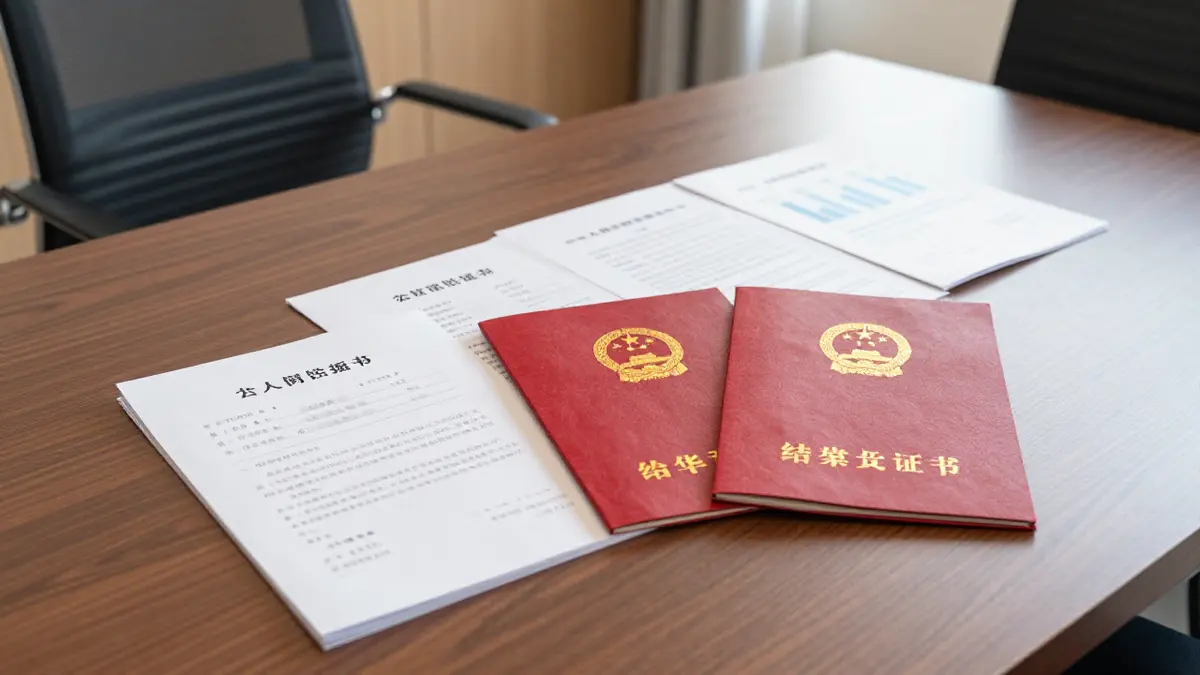

China's mixed-ownership reform program represents one of the most significant transformations of the state-owned enterprise sector since the economic reforms of the 1980s. Under this policy framework, state-owned enterprises are permitted to introduce private capital, diversify their ownership structures, and implement modern corporate governance mechanisms. For foreign investors and domestic private equity firms, mixed-ownership reform creates opportunities to invest in previously inaccessible state-controlled industries. However, the legal framework governing these transactions is complex and requires careful navigation of multiple regulatory regimes.
The Legal Framework: Company Law and SOE Regulations
The legal foundation for mixed-ownership reform is established by the PRC Company Law, which provides the basic corporate governance structure for all companies operating in China. For state-owned enterprises undergoing reform, additional regulations apply, including the Guiding Opinions on the Development of Mixed-Ownership Economy in State-Owned Enterprises issued by the State Council, and the Measures for the Administration of State-Owned Equity Transfers. These regulations require that SOE restructuring transactions comply with asset valuation requirements, public bidding procedures, and employee resettlement obligations. Under Article 148 of the Company Law, directors and senior managers of the restructured enterprise owe fiduciary duties to the company and are liable for losses caused by violations of laws or the company's articles of association.
Asset Valuation Rules and Approval Procedures
The valuation of state-owned assets is a critical step in any mixed-ownership reform transaction. Under the Measures for the Administration of State-Owned Asset Valuation, SOEs must engage qualified asset appraisal firms to conduct independent valuations of the enterprise's assets, liabilities, and going-concern value. The valuation report must be filed with the State-owned Assets Supervision and Administration Commission for record-keeping purposes. Transactions involving the transfer of state-owned equity must comply with public bidding requirements when the transaction value exceeds certain thresholds, and the transaction price cannot be less than 90 percent of the appraised value without special approval. Foreign investors must also consider whether the target SOE operates in a restricted sector under the Foreign Investment Negative List, which may limit or prohibit foreign participation in certain industries.

- FAILURE MODES
- Appraised equity; SASAC rules
Practical Considerations for Investors
Investors considering participation in SOE mixed-ownership reform should conduct thorough due diligence on the target enterprise's financial condition, legal compliance, employee relations, and contingent liabilities. Special attention should be given to land use rights, intellectual property portfolios, and environmental compliance obligations, as these areas frequently give rise to post-transaction disputes. The investment agreement should address governance rights, board representation, veto rights over major decisions, exit mechanisms, and dispute resolution procedures. Investors should also negotiate clear arrangements for employee stock ownership plans, which are a common feature of mixed-ownership reform transactions. Xu Tao in Wuhan has extensive experience advising on SOE restructuring transactions, including legal due diligence, transaction documentation, and regulatory approval applications, and can guide investors through each stage of the mixed-ownership reform process.
Company Formation Application Notes
I convert complex Chinese procedure into a dated checklist with owners for translation, notarization, and internal sign-off across time zones.
My case plan tests enforceability early—asset location, license pressure points, receivable chains, and interim tools—before heavy spend on pure merits briefing.
- Agreed work plan and remedy path
- Bilingual document control
- Deadline and limitation tracking
- Enforcement and settlement options in parallel
Operational Checklist for Foreign Readers
I align forum and pleading choices with what can actually be enforced: assets, licenses, cash flows, and available interim measures under PRC procedure.
I document scope, assumptions, and decision rights at engagement start so foreign clients know what will be filed, who must approve, and when silence becomes a missed deadline.
- Written engagement scope and remedy options
- Bilingual document control
- Deadline and limitation tracking
- Enforcement and settlement options in parallel
Risk Controls Before Escalation
I treat bilingual consistency as a risk control: chops, authority documents, and English summaries must tell the same commercial story.
- Kickoff scope memo and remedy ladder
- Bilingual document control
- Deadline and limitation tracking
- Enforcement and settlement options in parallel
Implementation Detail 1
Strategy starts with what can be secured or collected: counterpart assets, licenses, receivables, and interim measures, then builds merits work around that path.
- Documented objectives and preferred remedies
- Bilingual document control
- Deadline and limitation tracking
- Enforcement and settlement options in parallel
Implementation Detail 2
I prefer early written notices and clean evidence indexes over informal WeChat-only chains when the amount or regulatory exposure is material.
- Mandate letter covering scope and outcomes
- Bilingual document control
- Deadline and limitation tracking
- Enforcement and settlement options in parallel
Authority, Chops and Governance Failures

- Mixed-Ownership Reform of Chinese SOEs — process.
- Structure ESOP within the rules
- Draft board reserved matters
- Map SASAC/FI/SAMR
- Close only after approvals
China deals and disputes fail when authority is unclear: who can bind the company, which chop controls, and whether board or shareholder approvals were real. Verifying authority is a first-order task, not a closing checklist item.
Joint-venture arrangements need operable deadlock, information rights and exit mechanisms under local company law—not only shareholder aspiration statements.
Related-party transactions and capital contributions should be documented contemporaneously. Reconstruction years later is expensive and less credible to tribunals and regulators.
Discussion
Share experience or questions about this topic. This is a public discussion — not legal advice. Do not post confidential case details.
Have a question after reading? Leave it here, or Ask a Lawyer for a free initial intake.
Comments are moderated. China Legal Portal is a directory and information resource; no attorney–client relationship is formed by posting here.