
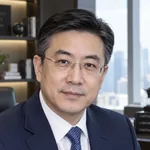
Wang Jie Listed
Wanshang Law Offices (Xi'an) · Xi'an
Xi'an senior partner at Wanshang Law Offices focused on environmental protection, energy and natural resources, corpo...
Search the portal
Specialty · Real Property Lawyers and Law Firms in China
Land and urban renewal lawyer profiles under Real Property Lawyers and Law Firms in China — free initial intake.
Overview
Browse Land and Urban Renewal lawyers on China Legal Portal. For background, see China Real Property Law Guide.
Matter routing
“Urban renewal” can describe very different legal routes: consensual redevelopment, land consolidation, state-owned-land building expropriation, collective-land expropriation, old-neighbourhood improvement, industrial-site conversion, infrastructure delivery, or another locally defined program. Counsel should identify the governing mechanism before discussing compensation, relocation, development rights or investment returns, because approval authority, participation, valuation, hearing, challenge and implementation rules differ.
Official orientation sources: Land Administration Law (2019 revision) · Regulation on Expropriation and Compensation of Houses on State-Owned Land. Source check: 8 October 2026.
Consultation preparation
A focused first message helps a lawyer assess fit, urgency, conflicts, and likely next steps. Prepare:
Do not send originals or unnecessary sensitive data before engagement terms and a secure document channel are confirmed.
Sources & trust
Editorial owner: China Legal Portal Research Desk · Directory inventory reviewed: .
Profile status is shown per listing. Listing or verification is not an endorsement, recommendation, or guarantee of outcome. Profile fields come from sourced professional information, claimed updates, and directory maintenance — not from page render or cache time.
Verification policy · Editorial policy · Context and maintained sources
Directory
Xi'an senior partner at Wanshang Law Offices focused on environmental protection, energy and natural resources, corpo...

Wuhan equity partner at Tongsheng Law Firm focused on environmental protection and production safety, litigation and ...

Strategic Land and Urban Renewal Counsel in Liwan Lei Zhang is a seasoned land and urban renewal attorney at Liwan Zh...
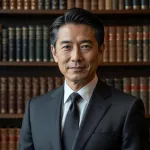
Jiahao Zhou — Land and Urban Renewal lawyer in Nanshan, Shenzhen, advising foreign clients on land VAT, deed tax, and...
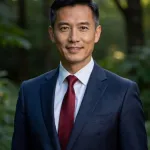
Jianhua Ma brings 16 years of legal experience in real property and land use law, with specialized expertise in fore...
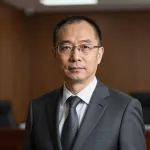
Wang Yuanyang is a seasoned legal practitioner in Xiangyang with over 20 years of experience in demolition compensati...
Describe your matter or browse by city for more options.