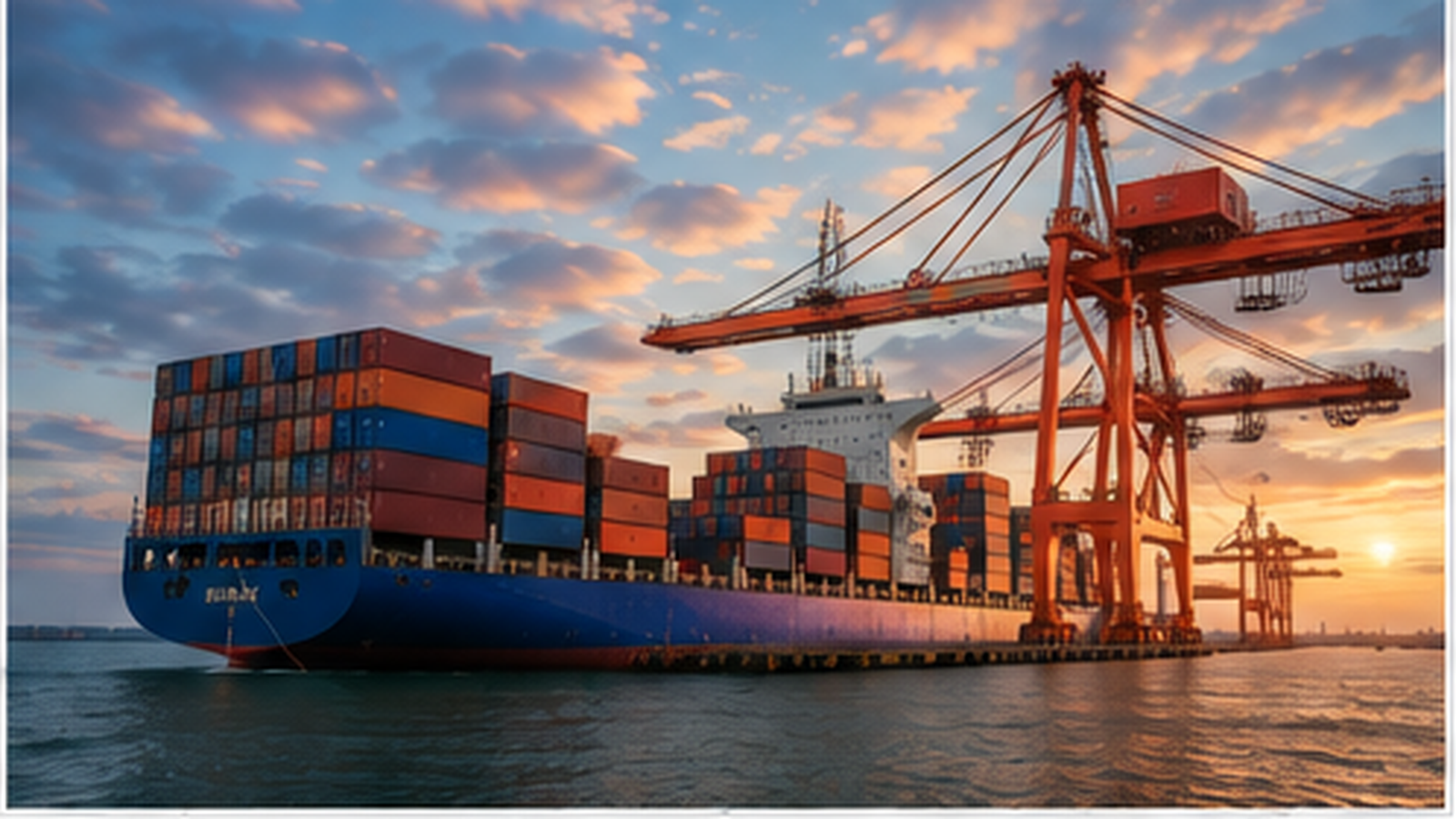

Tangshan Port, handling over 700 million tons of cargo annually, stands as one of the world's largest bulk cargo ports and a critical gateway for international trade in northern China. For importers and exporters operating through this bustling port, understanding the customs compliance framework is essential to avoid costly penalties, optimize duty costs, and leverage the benefits of the Caofeidian bonded zone. This article examines the key compliance considerations for businesses trading through Tangshan under China's customs regulatory system.
China's Customs Regulatory Framework
The Legal Rule
China's Customs Regulatory Framework The Customs Law of the People's Republic of China, most recently amended in 2021, together with the Regulations on Import and Export Tariffs and the Administrative Measures for the Classification of Import and Export Goods, establishes the legal foundation for customs operations.
The Business Impact
Confirm classification, origin evidence, the preference claim and importer-side formalities. Pricing the deal on an assumed tariff rate is risky if the documentary conditions are not met at clearance. Apply that to the facts of Customs Compliance for Importers and Exporters at Tangshan Port: Tariff Classification, Bonded Zone Benefits, and Trade Remedy Strategies.
The Customs Law of the People's Republic of China, most recently amended in 2021, together with the Regulations on Import and Export Tariffs and the Administrative Measures for the Classification of Import and Export Goods, establishes the legal foundation for customs operations. The General Administration of Customs (GACC) exercises centralized authority, with regional customs offices including the Tangshan Customs Office under the Shijiazhuang Customs District handling local clearance operations.
Accurate tariff classification under the Harmonized Commodity Description and Coding System (HS Code) is the cornerstone of customs compliance. Misclassification can trigger significant consequences. Article 86 of the Customs Law prescribes penalties of up to three times the value of the goods for false declarations. Importers should conduct pre-import classification reviews and may apply for binding tariff information from customs authorities to obtain certainty on classification before shipment.
Bonded Zone Advantages at Caofeidian
The Caofeidian area hosts a bonded port zone and an integrated pilot free trade zone, offering substantial operational benefits. Enterprises operating within these zones may import goods without immediate payment of customs duties and value-added tax (VAT), with tax liability suspended until goods are released into domestic circulation. This VAT deferral mechanism provides significant cash flow advantages for processing enterprises.
- Suspension of customs duties and import VAT on goods entering the zone
- In-zone processing, assembly, and re-export without tax liability
- Deferred tax payment until goods clear into domestic market circulation

- FAILURE MODES
- HS for the cargo
Enterprises operating in the Caofeidian bonded zone must maintain detailed inventory records and comply with GACC supervision requirements. Regular customs audits verify zone operations, and discrepancies between physical inventory and customs records can result in penalty assessments and potential revocation of zone operating privileges.
Export Control Compliance
The Export Control Law of the People's Republic of China, effective December 2020, established a comprehensive export control system. The law covers dual-use items, military products, nuclear materials, and items related to national security. Exporters must determine whether their products appear on the control lists administered by the Ministry of Commerce and obtain export licenses before shipping controlled items.
Article 9 of the Export Control Law requires that exporters establish internal compliance programs approved by the relevant authorities. Failure to maintain adequate internal controls may result in fines of up to RMB 5 million and revocation of export operating qualifications.
Violations of export control provisions carry severe penalties, including criminal liability under Article 225 of the Criminal Law for illegal business operations. Companies exporting from Tangshan Port should implement robust compliance screening procedures to identify controlled items and restricted end-uses or end-users.
Trade Remedy Measures
Hebei-based exporters, particularly steel producers concentrated in Tangshan and Handan, face ongoing trade remedy actions in overseas markets. Anti-dumping duties, countervailing duties, and safeguard measures imposed by the United States, European Union, and Southeast Asian countries affect market access for Hebei steel and manufactured products. Companies receiving notice of trade remedy investigations should respond promptly to maintain access to affected markets.
Free Trade Agreement (FTA) utilization presents opportunities for Tangshan importers and exporters. China has concluded 19 FTAs with 26 countries and regions, including the Regional Comprehensive Economic Partnership (RCEP). Proper FTA documentation, including certificates of origin meeting specific FTA requirements, can significantly reduce or eliminate tariff costs on qualifying goods.
Navigating China's customs compliance requirements at Tangshan Port demands specialized legal expertise. Work with an experienced import-export compliance attorney to conduct tariff classification reviews, establish internal compliance programs, and respond to customs audits or investigations. Contact a Hebei-based trade lawyer for an assessment of your current compliance posture and guidance on optimizing your customs operations.
Trade Law Application Notes
I document scope, assumptions, and decision rights at engagement start so foreign clients know what will be filed, who must approve, and when silence becomes a missed deadline.
I treat bilingual consistency as a risk control: chops, authority documents, and English summaries must tell the same commercial story.
- Mandate letter covering scope and outcomes
- Bilingual document control
- Deadline and limitation tracking
- Enforcement and settlement options in parallel
Operational Checklist for Foreign Readers
I prefer early written notices and clean evidence indexes over informal WeChat-only chains when the amount or regulatory exposure is material.
- Agreed work plan and remedy path
- Bilingual document control
- Deadline and limitation tracking
- Enforcement and settlement options in parallel
Risk Controls Before Escalation
I convert complex Chinese procedure into a dated checklist with owners for translation, notarization, and internal sign-off across time zones.
- Written engagement scope and remedy options
- Bilingual document control
- Deadline and limitation tracking
- Enforcement and settlement options in parallel
Implementation Detail 1
- Kickoff scope memo and remedy ladder
- Bilingual document control
- Deadline and limitation tracking
- Enforcement and settlement options in parallel
Operational File for Counsel and Auditors

- Customs Compliance for Importers and Exporters at Tangshan Port: Tariff Classification, Bonded Zone Benefits, and Trade Remedy Strategies — process. Customs Compliance for Importers and Exporters at Tangshan Port: Tariff Classification,; Bonded Zone Benefits, and Trade Remedy Strategies — sequence; Classify; Choose bonded or general; Build value and pay in the window; Keep the port file.
- Customs Compliance for Importers and Exporters at Tangshan Port: Tariff Classification, Bonded Zone Benefits, and Trade Remedy Strategies — process.
- Reconcile the bonded ledger
A useful first package includes commercial invoices, packing lists, bills of lading, customs declarations, quality inspection records and the sales contract with payment terms.
When audits or inquiries open, early counsel involvement expands room to resolve issues before criminal referral risk rises in severe cases.
Overseas headquarters need bilingual summaries of stage, amounts and decision deadlines so funds and authority can move inside Chinese clocks.
Discussion
Share experience or questions about this topic. This is a public discussion — not legal advice. Do not post confidential case details.
Have a question after reading? Leave it here, or Ask a Lawyer for a free initial intake.
Comments are moderated. China Legal Portal is a directory and information resource; no attorney–client relationship is formed by posting here.