
Turn a recognised judgment into an asset-specific enforcement plan
Verify the debtor, recognition status and executable obligations, then map lawful asset leads, court route, preservation needs and recovery economics.
Workflow guide
A recognised title still needs reachable assets and an execution plan.
The underlying article was reviewed by Shi Bingbing. The new operational presentation and any expanded orientation are subject to legal review and claim no additional expert approval.
Move from recognised title to recovery
Added workflow is subject to legal review.
Do not pursue a similarly named affiliate.
Do not seize assets, access accounts or pressure personnel through private self-help. Use lawful court and settlement processes.
Prepare the asset-specific brief
Selections remain in this browser.
Keep recognition and execution connected
Expanded answers are subject to legal review.
Does recognition guarantee recovery?
No. Recovery depends on executable obligations, debtor solvency and reachable assets.
Can an affiliate’s assets satisfy the judgment?
Not automatically. Verify the judgment debtor and legal basis for reaching any third-party property.
Should settlement remain open?
Often yes, but releases and withdrawal should be tied to verified performance and security.
Source station
Pair recognition with current execution procedure.
Open the stage that owns the issue
Recognition, assets and insolvency are distinct workstreams.
Escalate when a title exists but assets or execution route are uncertain
Use the record built here for current, fact-specific advice.
A deadline or proceeding is liveDo not calculate or waive a right from this orientation.
Assets or evidence may moveUrgent relief and lawful preservation need immediate analysis.
The instrument or forum is uncertainClassify it before committing to a route.
General information only, not legal advice. The operational presentation is subject to legal review. Confirm current law, procedure, institution rules and local practice before acting.
Topic counsel
Counsel shortlist for this guide
Profiles matched by practice to this topic. A shortlist for consultation — not an endorsement of any filing, clearance or legal outcome.
Practice-matchedVerified status shown per profileFree initial consultation
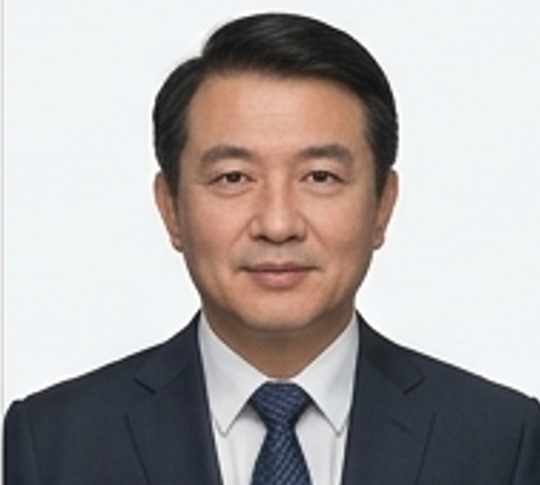
Haiyang Zhang
VerifiedBeijing Long'an Law Firm · Chaoyang · Languages: Mandarin Chinese, English

Guibin Zhao
Beijing Jinghai Law Firm · Changping · Languages: Chinese, English
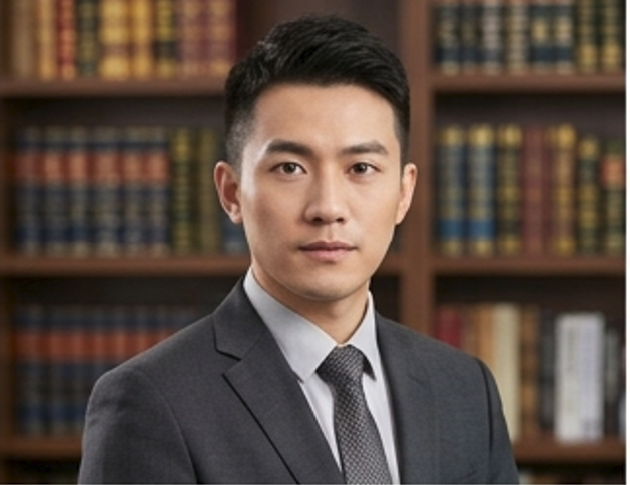
Zhigang Ma
Beijing Lanpeng Law Firm · Chaoyang · Languages: Chinese, English

Bing Xie
Shanghai Zhuoran Law Firm · Baoshan · Languages: Chinese, English